
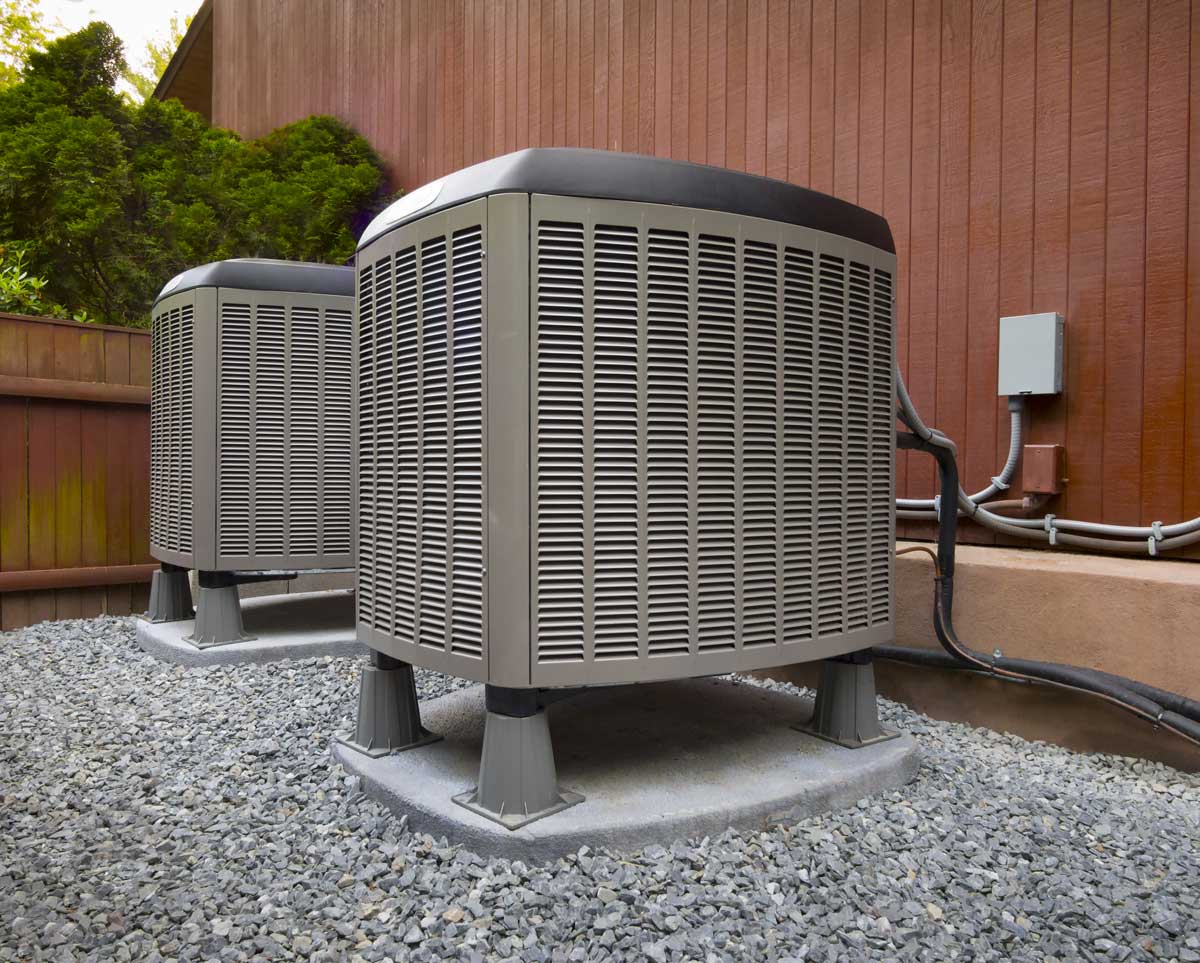
Have you ever considered the potential savings you could reveal by investing in heat pumps? Yes, they might involve a heftier initial outlay than conventional heating systems, but they pay for themselves in the long run. The financial benefits stack up between reduced utility bills, lower maintenance costs, and a life expectancy of 15 to 20 years. And that’s not even considering government incentives and rebates. Intrigued? Let’s take a closer look at how these savings are made possible.
Understanding Heat Pumps
To fully grasp the cost benefits of heat pumps, it is crucial first to understand what a heat pump is and how it operates in various conditions. In its simplest definition, a heat pump is a device that transfers heat from one place to another. It’s an energy-efficient alternative to traditional heating and cooling systems such as furnaces and air conditioners.
A heat pump uses a small amount of energy to move heat from one location to another. During cold seasons, heat pumps transfer heat from the outside to the inside of a building, and vice versa during warm seasons. They’re designed to deal with fluctuating temperature conditions and can offer both heating and cooling solutions.
Heat pumps are available in different types, including air-source, ground-source, and ductless mini-split systems. Each type has unique features and operational principles impacting efficiency and cost-effectiveness.
Because of their energy efficiency, heat pumps can reduce your energy consumption and, in turn, lower your energy bills. Additionally, they can contribute to reducing greenhouse gas emissions and serving society by promoting a sustainable future. But to truly appreciate these benefits, you must learn more about how heat pumps operate.
How Heat Pumps Operate
Understanding how heat pumps operate involves delving into the technical aspects of their design and function. These systems work on the basic principle of heat transfer. They don’t generate heat like traditional heaters; instead, they move heat from one place to another.
Imagine you’re shifting heat like a conveyor belt. In the colder months, your heat pump extracts heat from the outside air or ground, even when it’s freezing. The warmth is then concentrated and transferred to your home’s interior. Conversely, in summer, the process is reversed, and your heat pump acts like an air conditioner, removing heat from your home and releasing it outdoors.
The core components of a heat pump include the compressor, condenser, expansion valve, and evaporator. The refrigerant passing through these parts is the vehicle for heat transfer. It absorbs and releases heat as it circulates. You control this process with your thermostat, setting the desired temperature and comfort level.
Initial Costs of Heat Pumps
When determining the initial costs of heat pumps, factors such as the pump’s type, size, and installation charges must be considered. This is not a one-size-fits-all scenario; each variable can greatly impact your upfront expenditure.
To help you better understand, let’s break down these costs:
- Type of Pump: The market offers a range of heat pumps, including air-to-air, water source, and geothermal pumps. Each has its own pricing structure. For example, geothermal pumps are more expensive due to their complex installation process and materials.
- Size of the Pump: The pump size should align with your heating and cooling needs. A larger house will need a more substantial pump, which will cost more. Getting a professional to assess your home is crucial to avoid over or under-sizing the pump.
- Installation Charges: These can vary based on your location, the complexity of the installation, and the contractor you choose. It’s advisable to get multiple quotes before deciding on a contractor.
While these initial costs may seem steep, it’s important to remember that they represent an investment in your home’s comfort and efficiency. Various financing options can help ease the upfront financial burden.
Long-Term Savings Potential
While the initial costs may be substantial, you’ll likely find that heat pumps offer considerable long-term savings potential, particularly when compared to traditional heating systems. This is mainly due to their high energy efficiency. Unlike conventional systems, which generate heat, heat pumps transfer heat from one place to another. This process consumes considerably less energy, substantially reducing your utility bills.
Moreover, heat pumps have a longer lifespan, often operating effectively for 15 to 20 years or even more with regular maintenance. This longevity can offset the high upfront costs over time, providing a lower total cost of ownership. As an added bonus, they require less maintenance than traditional systems, saving you further costs.
Furthermore, it’s worth noting that many jurisdictions offer incentives such as tax credits, grants, or rebates for installing heat pumps because of their environmental benefits. These incentives can greatly reduce the initial outlay, further enhancing the long-term savings potential. Consequently, regarding cost-effectiveness, heat pumps are a formidable contender in the heating and cooling sector. By investing in a heat pump, you’re not only serving your own financial interests but also contributing to a more sustainable future.
Comparing Heat Pumps and Traditional Systems
When comparing heat pumps to traditional systems, you’ll immediately notice a key difference in how they operate, greatly influencing their energy efficiency and cost-effectiveness. Heat pumps utilize the heat transfer principle, exploiting the temperature difference between outdoor and indoor air or ground and water sources. This operation method contrasts conventional systems that burn fuel or convert electrical energy to produce heat.
Let’s highlight three key points to evaluate:
- Energy Efficiency: Heat pumps have markedly higher energy efficiency than traditional heating systems. They can deliver three times more heat than the electrical energy they consume, making them more cost-effective in the long run.
- Initial Costs: While the upfront installation cost of heat pumps can be higher than that of conventional systems, you’ll appreciate the long-term savings from reduced utility bills.
- Maintenance: Heat pumps require regular maintenance but are generally easier and less costly than traditional systems.
Understanding the cost benefits of heat pumps over traditional systems can guide informed decisions when serving others. Remember, it’s not just the initial cost but also the ongoing operating costs that make heat pumps a cost-effective choice.
Environmental Impact of Heat Pumps
Beyond the financial gains, you’ll also find heat pumps have a considerable impact on the environment, offering an advantage over traditional heating systems. Unlike furnaces that burn fuel, creating CO2 emissions, heat pumps transfer heat, markedly reducing greenhouse gas output. The result? A heating solution that’s more in tune with your desire to serve others by preserving our planet.
Here’s the science behind it: heat pumps use electricity to move heat from a cool space to a warm space, making it cooler and warmer. Heat pumps move heat from the cool outdoors into your warm house during the heating season and from your cool house into the warm outdoors during the cooling season. This transfer process uses less energy than generating heat, contributing to a lower carbon footprint.
But remember, the environmental impact hinges on the source of your electricity. If it’s from renewable sources, you’re bolstering your green credentials. Even if it’s not, you’re still lessening your environmental impact compared to traditional heating systems. So, when choosing heat pumps, you’re making a responsible, eco-conscious choice.
Heat Pump Types and Costs
Digging into the types and costs of heat pumps, it’s crucial to understand that the initial investment can vary widely based on the style and size of the unit you choose. The type of heat pump you opt for can greatly impact your cost, with three main types typically considered.
- Air Source Heat Pumps are the most common, using the outside air to heat or cool your home. They’re generally cheaper, ranging from $3,000 to $5,000, including installation.
- Ground Source Heat Pumps: Also known as geothermal, these pumps use the stable ground temperature to provide heating, cooling, and hot water. Expect to invest considerably more upfront, anywhere between $10,000 to $30,000.
- Hybrid Heat Pumps: These systems combine a heat pump with a traditional furnace. While they offer greater flexibility, they also come with a hefty price tag, often costing between $5,000 to $10,000.
Maintenance and Operating Expenses
While initial costs for various heat pump systems can vary considerably, it’s equally important to contemplate the ongoing maintenance and operating expenses accompanying these units. Your decision should consider these costs as they can greatly impact the total ownership cost over the unit’s lifespan.
Firstly, let’s consider the ongoing energy costs. Heat pumps are highly energy-efficient, especially when compared to traditional heating systems. This efficiency translates into lower monthly energy bills for you. However, it’s essential to remember that the actual operating cost will depend on factors like the size of your home, the local climate, and the specific heat pump model.
Next, consider maintenance costs. Regular maintenance is vital to keeping your heat pump running efficiently and prolonging its lifespan. This typically involves periodic checks and servicing by a professional, which incurs costs. Some units may also require replacement parts over time, adding to the total maintenance cost.
Lastly, consider potential repair costs. While heat pumps are generally reliable, like any mechanical system, they may occasionally require repairs.
Government Incentives and Rebates
In addition to evaluating maintenance and operation costs, you’ll also want to explore government incentives and rebates that can help offset the initial expense of a heat pump. Various governmental bodies recognize these systems’ energy efficiency and environmental benefits and offer attractive incentives to encourage their use.
To guarantee you’re not missing out on these cost-saving opportunities, consider the following:
- Federal Tax Credits: The U.S. government provides tax credits for energy-efficient heating and cooling systems, including heat pumps. You could receive up to 26% of the system’s cost back on your federal taxes.
- State and Local Incentives: In addition to federal programs, many states and municipalities offer their own incentives. Check with your local utility company or state energy office for specifics.
- Utility Company Rebates: Some utility companies provide rebates for customers who install energy-efficient appliances, including heat pumps.
Making the Switch: Installation Process
Changing to a heat pump requires careful installation to guarantee peak performance and maximum energy efficiency. First, you’ll need to conduct a site survey to determine the best location for the outdoor unit. It should be somewhere with good airflow, but not in direct sunlight or wind, as these can negatively affect its performance.
Next, you’ll have to consider the size of the heat pump. It must be correctly matched to your home’s heating and cooling needs. If it’s too small, it won’t heat or cool effectively. If it’s too large, it will cycle on and off too frequently, shortening its lifespan and wasting energy.
The installation involves connecting the outdoor unit to the indoor air handling unit. This requires running refrigerant lines, electrical wiring, and a condensate drain. It’s essential to verify all connections are secure and properly sealed to prevent leaks.
Lastly, the system must be properly charged with refrigerant, and the controls must be set up and tested. This guarantees its operating at peak efficiency. With careful installation, you can maximize the cost benefits of your new heat pump. Remember, professional help is advised for this technical process.
Conclusion
Switching to a heat pump is like changing your diet to healthy, balanced meals. Sure, it may seem expensive and intimidating initially, but you’ll reap the benefits in the long run. You’ll save around 50% on your heating bills annually – a hefty amount over a 15 to 20-year lifespan. Plus, you’re doing your part to keep the environment clean. So, take the plunge, shift to a heat pump, and enjoy the savings and sustainability.