
Key Points
- Modern cold-climate heat pumps operate effectively at temperatures as low as -13°F (-25°C) — well below what Rockland, Braintree, and the South Shore typically experience, making the “heat pumps don’t work in New England” concern outdated for current-generation equipment.
- According to the U.S. Department of Energy, heat pumps can reduce electricity use for heating by approximately 50% compared to electric resistance systems — and significantly more compared to oil heat, which remains common in South Shore homes.
- Three primary heat pump types are available for cold climates: air-source (most common, improved cold-weather performance in modern models), ground-source/geothermal (higher upfront cost, exceptional efficiency), and absorption (gas or solar-driven, useful where electricity is expensive).
- The Coefficient of Performance (COP) is the key efficiency metric — it measures heating output per unit of electrical energy consumed; modern cold-climate models maintain useful COP ratings even at sub-zero outdoor temperatures through inverter technology and enhanced vapor injection.
- Correct sizing is non-negotiable — an undersized unit won’t heat a South Shore home through a January cold snap, while an oversized unit short-cycles, wasting energy and reducing equipment lifespan; only a professional Manual J load calculation determines the right size.
- Annual professional maintenance plus monthly DIY filter checks are the two most impactful maintenance habits for maximizing heat pump lifespan and efficiency.
- Contact Back Bay Mechanical for expert cold-climate heat pump installation, repair, and maintenance throughout Rockland, Braintree, and the South Shore MA area.
You’ve probably heard about heat pumps and their touted energy efficiency, especially for cold climates. But are they truly the best heating solution when the mercury plunges? This guide will explore the features, benefits, and specific models of heat pumps that work effectively in frigid conditions, along with key tips for their operation and maintenance. What you discover may alter your perception of heating options for cold climates.
Understanding Heat Pumps
Before delving into their effectiveness in cold climates, it’s crucial to understand how heat pumps work, their components, and the principles behind their operation. A heat pump is fundamentally a device that transfers heat energy from a source of heat to a destination called a “heat sink” — it moves thermal energy opposite to the direction of spontaneous heat flow by absorbing heat from a cold space and releasing it to a warmer one.
The mechanism involves three primary components: the evaporator, the compressor, and the condenser. The evaporator absorbs heat from the environment to boil a refrigerant. This gaseous refrigerant is then compressed by the compressor, increasing its pressure and temperature. The heated refrigerant is then passed through the condenser, where it loses its heat to the surroundings and turns back into a liquid.
The principle behind heat pumps is the second law of thermodynamics, which states that heat naturally flows from high-temperature to low-temperature areas. However, a heat pump can force this process to reverse, using a small amount of high-grade energy — often electricity — to achieve this.
What this means for South Shore homeowners: The practical implication of heat transfer vs. heat generation is significant. For every unit of electricity consumed moving heat, a heat pump delivers 2–3 units of heat energy into your home — a ratio impossible to achieve by burning fuel or using electric resistance heating. For Rockland and Braintree homeowners currently using oil heat (still common on the South Shore), switching to a modern cold-climate heat pump can produce substantial annual fuel cost savings while maintaining comfortable indoor temperatures through Massachusetts winters.
Benefits of Using Heat Pumps
Harnessing the power of heat pumps provides numerous benefits, particularly regarding energy efficiency and cost-effectiveness. Unlike traditional heating systems that generate heat, heat pumps move heat from one place to another — a process far less energy-consuming that can save you a significant amount on your utility bills.
Heat pumps also offer dual functionality. They’re not just for heating your home during the cold months but also serve as cooling systems in the summer. This two-in-one feature eliminates the need for separate systems and reduces the overall installation and maintenance costs.
Moreover, heat pumps are environmentally friendly. They don’t burn fuel to produce heat, which results in fewer carbon emissions. This reduction in greenhouse gas emissions contributes to the fight against climate change, making heat pumps an excellent choice for those seeking to reduce their carbon footprint.
Lastly, modern heat pumps have a longer lifespan than conventional heating systems. With proper maintenance, they can serve you efficiently for 15 to 20 years, providing excellent value for your investment. Back Bay Mechanical’s heating maintenance service helps South Shore homeowners protect that investment with annual professional tune-ups.
Benefits specific to the South Shore market: Massachusetts has some of the highest electricity rates in the contiguous United States — but also some of the highest oil and propane prices. Cold-climate heat pumps’ efficiency advantage over resistance heating is well documented, and compared to oil, the economics are increasingly favorable as oil prices remain volatile. Massachusetts also offers Mass Save heat pump incentives and rebates that can significantly reduce upfront installation costs for qualifying Rockland and Braintree homeowners — ask Back Bay Mechanical about current heat pump installation incentives when scheduling a consultation.
Heat Pumps and Cold Climate Compatibility
While the benefits of heat pumps are numerous, you might wonder about their performance in cold climates — a valid concern, given that heat pumps extract warmth from the outside air to heat your space.
Historically, heat pumps did struggle in glacial conditions. However, technological advancements have greatly improved their cold-weather performance. Many modern heat pumps can operate effectively at temperatures as low as -15°C (5°F), with some models even capable of functioning down to -25°C (-13°F).
The key lies in the pump’s Coefficient of Performance (COP) — the ratio of heating or cooling provided to electrical energy consumed. A heat pump’s COP can decrease as the outside temperature drops, but thanks to innovations like inverter technology and enhanced vapor injection, it doesn’t fall off the radar.
It’s important to note that not all heat pumps are created equal. The performance varies based on the specific model and manufacturer. It’s vital to choose a heat pump that’s been tested and certified for performance in cold climates, ensuring ideal efficiency and reliability.
Cold-climate certification and what to look for in Massachusetts: The Northeast Energy Efficiency Partnerships (NEEP) maintains a Cold Climate Air Source Heat Pump (ccASHP) list of models verified for performance in cold New England conditions. When selecting a heat pump for a Rockland or Braintree home, choosing a model on this list ensures the equipment has been evaluated against the specific temperature ranges the South Shore actually experiences — not just standard AHRI rating conditions. Back Bay Mechanical’s heat pump installation team is familiar with NEEP-listed cold-climate models and can recommend the right equipment for your home’s specific heating and cooling load.
Different Types of Heat Pumps
There are three primary types of heat pumps to consider for your home’s heating needs.
Air-source heat pumps are the most common. They transfer heat between your home and the outside air — in winter, extracting heat from the outdoor air and transferring it inside, and in summer, expelling heat from your home to the outside. Their efficiency can be affected by extreme outdoor temperatures, but new models are becoming markedly more effective in colder climates. For most South Shore homes, an air-source cold-climate heat pump is the most practical and cost-effective choice, including ductless mini-split systems for homes without existing ductwork.
Ground-source or geothermal heat pumps use the earth’s relatively stable temperature for heating and cooling. They’re more costly upfront, but their high efficiency can offset this cost over time. Back Bay Mechanical handles geothermal installation for South Shore homeowners interested in this option — the stable ground temperatures in Massachusetts make geothermal particularly effective here.
Absorption heat pumps are a variant of air-source pumps, driven by a heat source such as natural gas, propane, or solar-heated water instead of electricity. They’re most useful when these fuels are more readily available and cheaper than electricity.
Understanding the specifics of these types can help you pick the most suitable one for your home, factoring in your regional climate, local fuel prices, and your home’s insulation.
Top Models for Cold Climates
If you live in a colder climate like Rockland or Braintree, MA, it’s crucial to consider top-performing heat pump models specifically designed to operate efficiently under such conditions.
Models such as the Trane XR15, Mitsubishi Hyper-Heat, and Fujitsu Halcyon are engineered to extract heat even from frigid outdoor air and deliver it indoors.
The Trane XR15 features a high Seasonal Energy Efficiency Ratio (SEER), indicating it maximizes energy in the colder months. It also has the latest compressor technology, ensuring peak performance in extreme temperatures.
The Mitsubishi Hyper-Heat is renowned for its ability to function effectively at temperatures as low as -13°F. It’s a ductless model, providing flexibility in installation and energy savings — its variable-speed compressor adjusts to your heating needs, ensuring efficient operation.
The Fujitsu Halcyon offers a unique feature: a built-in base pan heater. This prevents the system from freezing in sub-zero temperatures, maintaining its functionality when needed most.
All three of these models are appropriate for South Shore conditions and are available through Back Bay Mechanical. Contact us about heat pump installation to discuss which model suits your home’s specific load requirements.
Selecting the Right Heat Pump
After exploring the top models, your next step is deciding which one best suits your specific needs. Several factors should guide your selection.
Energy Efficiency: Heat pumps with higher SEER and HSPF ratings are more energy efficient, reducing energy bills and environmental impact. However, energy efficiency varies depending on climate and your home’s insulation — a model that performs well in one application may not be optimal for another.
Size: The heat pump size should be appropriate for your home’s square footage and climate. An undersized unit won’t adequately heat your home during a Massachusetts cold snap, while an oversized unit will short-cycle, reducing lifespan. A professional Manual J load calculation determines the correct size — rule-of-thumb estimates are not sufficient for a system this significant.
Cost: While high-efficiency, correctly sized units may have a higher upfront cost, they save money with lower energy bills over time. Additionally, certain models may be eligible for federal tax credits or Massachusetts utility rebates through Mass Save — ask Back Bay Mechanical about current incentives when discussing heat pump installation.
Installing Your Heat Pump
Proper heat pump installation is essential — it greatly influences the unit’s performance, lifespan, and energy efficiency.
Location selection is the first consideration. Choose a spot with good airflow and away from areas prone to snow accumulation or falling ice. The outdoor component must be elevated to avoid snow and ice obstructing the heat exchange — this is especially important in Rockland and Braintree where winter snow accumulation can be significant.
Refrigerant lines require careful attention. Ensure they’re properly insulated to prevent heat loss and freeze-ups. The piping layout should be as short and direct as possible to reduce heat loss and increase efficiency.
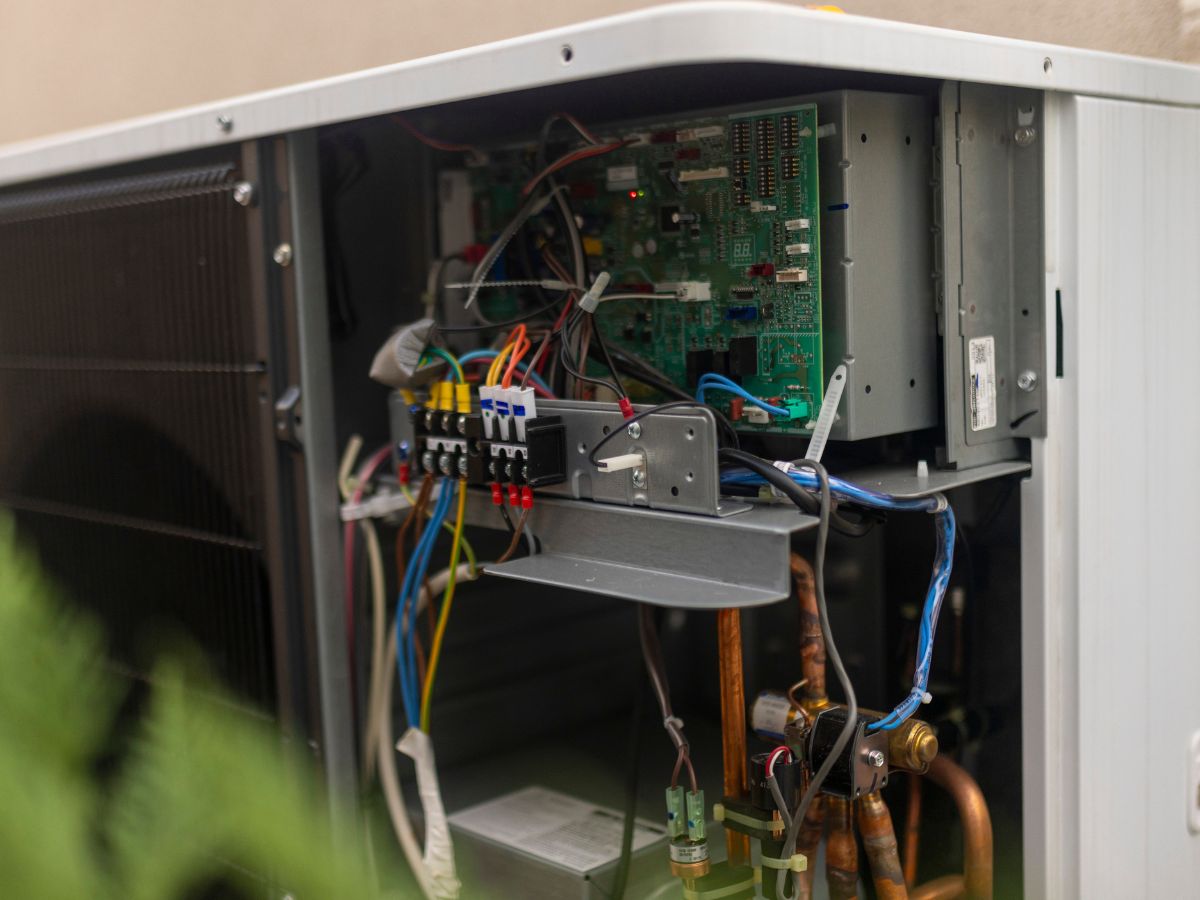
Electrical connections must adhere to Massachusetts building codes and regulations. Improper or loose connections can lead to component failures or even fire hazards — always use a licensed professional for all electrical work associated with heat pump installation.
Professional installation by a qualified technician is the single most important factor in long-term heat pump performance. Incorrect installation can reduce efficiency by 20–30% and shorten equipment life by years. Back Bay Mechanical’s heat pump installation team handles the full installation process correctly from the start.
Operating Heat Pumps in Winter
Operating your heat pump during winter requires careful attention to its settings and performance to guarantee ideal energy efficiency and comfort.
Temperature Setting: Avoid frequent large changes in temperature settings. Consistent thermostat settings maximize energy efficiency — heat pumps are most effective maintaining a steady temperature rather than recovering from large setpoint drops.
Defrost Mode: Most heat pumps have a built-in defrost cycle — verify this function is working correctly to prevent ice buildup on the outdoor unit. You may notice the system briefly blowing cooler air during defrost cycles — this is normal and temporary.
Supplemental Heating: Many heat pumps include an auxiliary heat source for use when outdoor temperatures drop too low for the heat pump to handle the load alone. Use this feature wisely — auxiliary heat (typically electric resistance) is less efficient than the heat pump and should activate only when genuinely needed, not as a routine heating source.
A note on South Shore winter operation: Rockland and Braintree experience occasional severe cold snaps — single-digit temperatures are not uncommon in January and February. Even cold-climate-rated heat pumps may reduce output during these events. Ensuring your auxiliary heat source is functional before heating season is an important pre-winter check. Back Bay Mechanical’s heating maintenance visit includes verification of auxiliary heat function.
Essential Maintenance Tips
Regular upkeep is equally significant for performance and longevity alongside optimizing winter operation.
Schedule routine professional maintenance at least once annually. Experts can inspect your system for potential issues, clean components, and guarantee proper refrigerant levels. Back Bay Mechanical’s heating maintenance service covers heat pump inspection and tune-up for South Shore homeowners.
Regularly clean or replace your heat pump’s air filter. This simple task can greatly improve efficiency and indoor air quality. Inspect the filter monthly and replace it every 90 days — or more frequently if it’s visibly dirty. During heavy-use heating months on the South Shore (December–March), monthly replacement may be appropriate.
Check the outdoor unit regularly — keep it clear of leaves, snow, ice, and other debris. Blocked airflow affects efficiency and can cause damage. After snowstorms, check that snow hasn’t accumulated around or on top of the outdoor unit and clear it promptly. Never allow ice to build up on the unit’s sides — the defrost cycle handles normal frost accumulation, but heavy ice from freezing rain or drifting snow requires manual removal with water (never sharp tools).
Confirm your thermostat is set correctly. Incorrect settings can cause the heat pump to work harder than necessary, leading to higher energy consumption and potential system damage.
Troubleshooting Common Issues
Knowing how to troubleshoot can save you time and potentially costly repairs when your heat pump encounters issues.
Poor Heating Performance: Could be due to a dirty filter, a blocked outdoor unit, or insufficient refrigerant. Check your filter and outdoor unit for blockages and clean if necessary. If the problem persists, contact Back Bay Mechanical for professional refrigerant assessment — refrigerant work requires EPA-certified technicians.
Noisy Operation: Unusual noises — rattling, squealing, or banging — indicate a mechanical problem such as loose or damaged parts. Do not continue operating the system if you hear grinding or banging; these sounds typically indicate a developing failure that worsens rapidly with continued operation. Contact Back Bay Mechanical for prompt heat pump repair service.
Frozen Coil: In cold climates, the outdoor coil may freeze — defrost controls should manage this, but if they’re not working properly, the coil can become blocked with ice and affect performance. Check the defrost controls; if you’re unsure, get professional help. A coil that remains frozen after a defrost cycle indicates a system problem requiring service.
Key Takeaways
Modern cold-climate heat pumps operate effectively to -13°F — making the “doesn’t work in New England winters” objection obsolete for current-generation equipment. The DOE confirms heat pumps reduce heating electricity costs by approximately 50% vs. electric resistance systems, and the savings vs. oil heat are significant given South Shore fuel price patterns. Three types are available: air-source (most common, including ductless mini-splits for homes without ducts), ground-source/geothermal (highest efficiency, higher upfront cost), and absorption (gas or solar-driven). COP is the key efficiency metric — modern inverter-technology models maintain useful COP at sub-zero temperatures. Correct sizing via Manual J load calculation is non-negotiable; undersizing leaves you cold in a January cold snap, oversizing causes short-cycling and equipment wear. Top cold-climate models include the Mitsubishi Hyper-Heat (-13°F rated), Fujitsu Halcyon (built-in base pan heater), and Trane XR15. Annual professional maintenance plus monthly filter checks are the two most impactful ongoing habits. Massachusetts Mass Save incentives and federal tax credits can significantly reduce installation costs — ask Back Bay Mechanical about current programs. Contact Back Bay Mechanical for cold-climate heat pump installation, repair, and maintenance throughout Rockland, Braintree, and the South Shore MA area.
Ready for a Cold-Climate Heat Pump? Contact Back Bay Mechanical
You’re now fully equipped to make an informed decision about heat pumps for your South Shore home. The right cold-climate model — correctly sized, properly installed, and regularly maintained — can keep you warm through Massachusetts winters while delivering meaningful energy savings year after year.
Contact Back Bay Mechanical for expert heat pump installation, heat pump repair, and heating maintenance throughout Rockland, Braintree, and the South Shore MA area. Stay warm, reduce your energy use, and make a positive impact on your environment.