
Key Points
- Heat pumps can be up to 300% more energy efficient than traditional heating systems because they transfer heat rather than generate it — moving heat energy from outdoor air into your home using only electrical power to run the process.
- According to the U.S. Department of Energy, heat pumps can reduce electricity use for heating by approximately 50% compared to electric resistance systems like baseboard heaters — a significant savings for South Shore homeowners heating through Massachusetts winters.
- In Rockland, Braintree, and the South Shore area, where heating season runs from October through April and cold snaps regularly drop temperatures below 20°F, heat pump efficiency is especially important — modern cold-climate heat pumps maintain effective heating output even at temperatures as low as -13°F.
- Four factors directly determine your heat pump’s real-world efficiency: regular maintenance, correct sizing, proper installation, and equipment age — neglecting any one of them costs measurably more in energy bills.
- The single most impactful DIY maintenance task is filter replacement — dirty filters restrict airflow, force the system to work harder, and reduce efficiency in a way that compounds every month the filter goes unchanged.
- SEER (cooling efficiency) and HSPF (heating efficiency) ratings are the standardized measures for comparing heat pump efficiency — higher ratings deliver more output per unit of energy consumed, but must be balanced against initial equipment cost.
- Contact Back Bay Mechanical for expert heat pump installation, repair, and maintenance throughout Rockland, Braintree, and the South Shore MA area.
Did you know heat pumps can be up to 300% more energy efficient than traditional heating systems? You’re probably wondering — how can that be? The secret lies in the transfer of heat rather than its production. By understanding the mechanics of your heat pump and knowing how to maximize its efficiency, you can keep your home cozy all year round and greatly reduce your energy bills.
Understanding Heat Pump Basics
Before delving into the intricacies of heat pump efficiency, it is crucial to grasp how it operates. As an integral part of a heating and cooling system, a heat pump moves heat from one place to another — it doesn’t generate heat; it simply transfers it.
In the winter, your heat pump extracts heat from the outside air (even cold air contains heat energy) and pumps it inside your home. It works in reverse in the summer, removing heat from your home and expelling it outdoors. This process makes it versatile and efficient for maintaining comfortable temperatures year-round.
What powers this heat transfer process? Electricity — but not to generate heat. Your heat pump uses electrical power to move heat, not make it. This fundamental difference sets heat pumps apart from traditional furnaces and makes them a more energy-efficient option.
Understanding these basics is the first step toward maximizing your heat pump’s efficiency. Armed with this knowledge, you’re now ready to explore more advanced topics, like the science behind heat pumps and how to optimize their performance.
Heat pumps in Massachusetts’s climate: A common misconception is that heat pumps don’t work well in cold climates — this was true of older equipment, but modern cold-climate heat pumps are specifically engineered for New England winters. Models rated for cold climate performance maintain heating capacity at outdoor temperatures as low as -13°F, well below what Rockland and Braintree typically experience even in the coldest winters. If you have an older heat pump that struggles in cold weather, it may be a candidate for replacement with a current-generation cold-climate model rather than supplemental heating. Back Bay Mechanical handles heat pump installation throughout the South Shore.
The Science Behind Heat Pumps
When studying the science behind heat pumps, it’s vital to understand that these devices operate based on the principles of thermodynamics and heat transfer. Fundamentally, heat pumps move heat from one place to another — drawing warmth from seemingly cold outdoor air and transferring it inside your home. In the summer, they extract heat from your home and move it outdoors, effectively cooling your living space.
The magic of heat pumps lies in their refrigeration cycle, which involves a condenser, an expansion valve, and an evaporator. In the winter, a liquid refrigerant in the outdoor coil absorbs heat from the air and evaporates into a gas. This warm gas travels into the indoor coil, where it’s compressed to release its heat. In the summer, the process is reversed.
By appreciating these principles, you’ll be better equipped to understand when your heat pump is operating correctly — and recognize the symptoms of problems like low refrigerant or a failing compressor that interrupt this cycle and reduce efficiency.
Benefits of Efficient Heat Pumps
Turning up the efficiency of your heat pump offers a host of benefits, from enhanced comfort to significant energy savings. An efficient heat pump doesn’t just warm or cool your home faster — it does so with less energy, saving you money and reducing your carbon footprint.
One key benefit of an efficient heat pump is the consistent temperature it maintains in your home. You won’t have to contend with cold spots or overheating, ensuring a comfortable environment for your family.
Moreover, efficient heat pumps often have advanced features like programmable thermostats or variable-speed motors — these add to your comfort and offer more control over your energy use. You can set the temperature to your needs, ensuring you’re not wasting energy when no one’s home.
Lastly, efficient heat pumps tend to last longer. They’re designed to withstand intense usage, meaning you’ll spend less on maintenance and replacements. Boosting your heat pump’s efficiency isn’t just about short-term gains — it’s a long-term investment in comfort and savings. Back Bay Mechanical’s heating maintenance service helps protect that investment year after year.
Factors Affecting Heat Pump Efficiency
Several factors can directly impact your heat pump’s efficiency, and understanding them can help you optimize its performance.
Regular maintenance is essential — like your car, your heat pump requires consistent upkeep to operate effectively. Neglecting maintenance can reduce efficiency, increase energy costs, and diminish your comfort at home.
Size matters significantly. If your heat pump is too small, it’ll struggle to heat your home adequately, leading to overworking and inefficiency. Conversely, a pump that’s too large will cycle on and off more frequently, wasting energy. This is known as short cycling — and it’s one of the most common and costly efficiency problems in HVAC systems.
Proper installation is critical. A poorly installed heat pump can operate below its potential, decreasing efficiency and increasing running costs.
Age affects efficiency as well. As heat pumps grow older, they tend to lose their effectiveness — and older units predate the efficiency standards now common in current-generation equipment. If your South Shore home’s heat pump is more than 15 years old, an evaluation by Back Bay Mechanical can determine whether heat pump repair or replacement is the more cost-effective path.
Choosing the Right Heat Pump
When picking the right heat pump, it’s essential to evaluate various factors to guarantee peak performance and efficiency.
Understand your specific heating and cooling needs. Rockland, Braintree, and the South Shore experience genuine four-season demand — cold winters requiring effective heating to well below freezing, and warm humid summers requiring efficient cooling. Your heat pump should efficiently handle both ends of this range.
Assess the size carefully. A unit that’s too large wastes energy and increases costs through short cycling, while a small one won’t maintain a comfortable temperature during the coldest Massachusetts nights. Proper sizing requires a Manual J load calculation — not a rule-of-thumb estimate.
Examine the pump’s SEER and HSPF ratings. SEER (Seasonal Energy Efficiency Ratio) measures cooling efficiency; HSPF (Heating Seasonal Performance Factor) measures heating efficiency. Higher ratings in both indicate more energy delivered per unit of electricity consumed. Balance the initial equipment cost against long-term energy savings — a higher-efficiency unit typically pays back its premium within a few years at Massachusetts energy rates.
Look into the unit’s features. Some pumps have variable-speed motors, two-stage compressors, or desuperheaters, which can improve comfort and efficiency. Variable-speed compressors in particular provide significant real-world efficiency gains by modulating output to match load rather than cycling on and off at full capacity.
Choosing the right heat pump requires careful evaluation, research, and professional guidance. Back Bay Mechanical can help South Shore homeowners select and install the right equipment — contact us about heat pump installation today.
Tips for Maximizing Heat Pump Efficiency
Once you’ve chosen the right heat pump, knowing how to maximize its efficiency is equally important.
Set your thermostat at a constant temperature. Avoid frequent large adjustments — heat pumps are most efficient when maintaining a steady temperature rather than recovering from large setpoint swings. A programmable thermostat can help you maintain a steady temperature automatically.
Use energy-efficient doors and windows to minimize heat loss. If you’re losing heat through poorly insulated windows or doors, your heat pump works harder than necessary to maintain a comfortable temperature.
Consider your home’s insulation. Proper insulation keeps heat in during winter and your home cool during summer, reducing the load on your heat pump. In older South Shore homes — many of which were built before modern insulation standards — attic and wall insulation upgrades often deliver the most dramatic efficiency improvements available for any investment. This both extends your heat pump’s lifespan and reduces monthly operating costs.
Regular Maintenance for Optimal Performance
To guarantee ideal performance from your heat pump, it’s crucial to maintain and service the unit regularly. This ensures you’re getting the most efficient operation while prolonging the lifespan of your system.
Check and change filters frequently. Dirty filters restrict airflow, forcing your heat pump to work harder and use more energy. Check your filters monthly and replace them at least every three months — more frequently during heavy-use months.
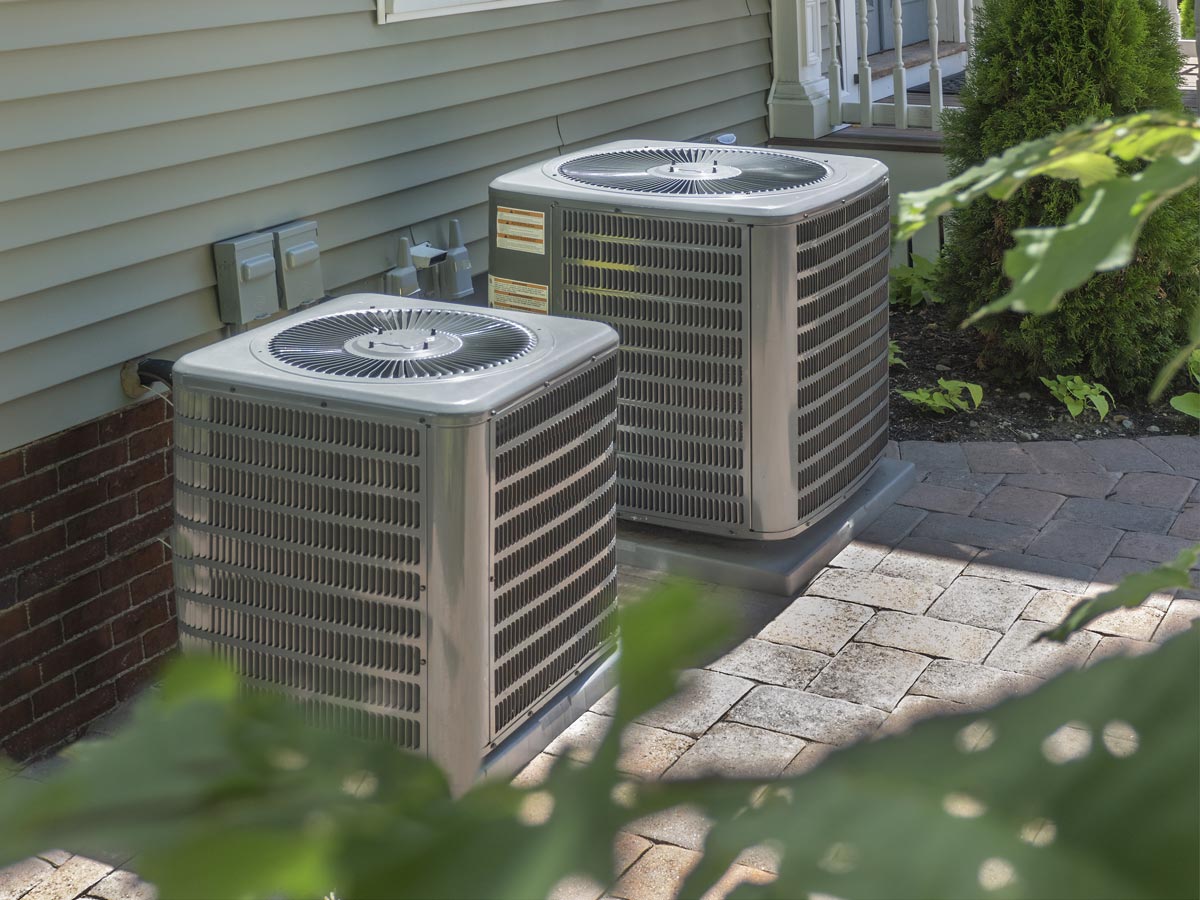
Keep the outdoor unit clear of debris. Leaves, grass, and other obstructions can reduce your heat pump’s efficiency and cause damage. This is particularly relevant in Rockland and Braintree during fall leaf season and after winter snowstorms — the outdoor unit needs clear airflow year-round. Never allow snow or ice to accumulate around or on top of the unit.
Schedule professional maintenance at least once a year. A trained technician will check for potential problems, clean and lubricate parts, and confirm that your heat pump is running at its best. Back Bay Mechanical’s heating maintenance service covers heat pump inspection and tune-up for South Shore homeowners. Regular professional maintenance helps you avoid costly repairs and guarantees you’re maximizing your heat pump’s efficiency year-round.
Common Heat Pump Problems
Despite diligent maintenance, you might encounter common problems with your heat pump that affect efficiency.
Reduced airflow is often due to a dirty or clogged filter — clean or change your filter regularly to avoid this issue.
Heat pump failing to turn on could be due to a tripped breaker or a malfunctioning thermostat. Check your electrical panel to verify the breaker hasn’t tripped. If it’s the thermostat, you may need to recalibrate or replace it.
Heat pump running constantly could indicate a problem with your unit’s refrigerant level or thermostat settings. Insufficient refrigerant can cause the pump to work overtime, reducing efficiency. Refrigerant issues require an EPA-certified technician — contact Back Bay Mechanical for diagnosis.
Strange noises — grinding, squealing, or banging — signal a mechanical problem that should be checked by a professional immediately. These sounds typically indicate a failing component that will worsen quickly if the system continues to run. Back Bay Mechanical provides heat pump repair throughout Rockland, Braintree, and the South Shore.
Sustainable Heating With Heat Pumps
Heat pumps provide an environmentally friendly and sustainable solution for heating your home by harnessing renewable energy from the air:
- Extracting heat from the ground or air reduces the need to burn fossil fuels, decreasing your carbon footprint
- Heat pumps operate at lower temperatures than standard heating systems, making them more energy-efficient and cost-effective in the long run
- They’re not just for heating — in summer, they reverse their operation to cool your home, offering a year-round solution
Heat pumps and Massachusetts’s clean energy goals: Massachusetts has among the most ambitious clean energy targets in the United States, with goals to dramatically reduce building sector emissions through electrification of heating systems. Heat pumps are central to this transition — converting South Shore homes from gas or oil heating to electric heat pumps supports both individual energy savings and the state’s broader decarbonization goals. Ductless mini-split systems in particular offer a pathway to add heat pump heating and cooling to rooms or additions that don’t have existing ductwork.
Heat Pump Efficiency — Future Prospects
As you venture into the future of heat pump technology, efficiency levels are anticipated to continue rising. The industry’s commitment to innovation guarantees you’ll have access to more effective, energy-saving solutions.
Experts are predicting significant advancements in heat pump design, focusing on minimizing energy loss and improving overall system performance. Enhanced compressor technology, improved refrigerants, and more intelligent adaptive controls that optimize operation based on external conditions are all on the horizon.
Further, integrating renewable energy sources — such as solar power — with heat pumps is set to become a game changer. Pairing a heat pump with rooftop solar panels allows South Shore homeowners to run their heating and cooling system on locally generated clean electricity, dramatically reducing both energy costs and carbon emissions.
Key Takeaways
Heat pumps deliver up to 300% energy efficiency by transferring rather than generating heat — and the DOE confirms they can reduce heating electricity costs by approximately 50% vs. electric resistance systems. Four factors determine real-world efficiency: regular maintenance, correct sizing (avoiding both undersizing and oversizing/short cycling), proper installation with a Manual J load calculation, and equipment age (units over 15 years should be evaluated for replacement). SEER and HSPF ratings are the standardized efficiency benchmarks — balance higher ratings against initial cost using long-term energy savings at Massachusetts energy rates. Monthly filter checks and annual professional maintenance are the most important ongoing efficiency tasks. Common problems — constant running, strange noises, failure to start — each have specific diagnostic paths; refrigerant issues specifically require EPA-certified technicians. For Rockland, Braintree, and South Shore homeowners, modern cold-climate heat pumps maintain effective output to -13°F, making the “heat pumps don’t work in New England winters” concern outdated for current-generation equipment. Contact Back Bay Mechanical for heat pump installation, repair, and heating maintenance throughout the South Shore MA area.
Ready to Maximize Your Heat Pump’s Efficiency? Contact Back Bay Mechanical
Your heat pump’s efficiency is a product of the right equipment, the right installation, and the right ongoing care. Regular maintenance and keen selection keep your system performing at its best. By harnessing renewable energy through heat pump technology, South Shore homeowners can steer toward a future of reduced costs, increased comfort, and a smaller environmental footprint.
Contact Back Bay Mechanical for expert heat pump installation, heat pump repair, and heating maintenance throughout Rockland, Braintree, and the South Shore MA area.