
Key Points
- A heat pump doesn’t generate heat — it transfers it, moving warmth from outdoor air into your home in winter and reversing the process in summer, making it one of the most energy-efficient heating and cooling options available.
- According to the U.S. Department of Energy, modern heat pumps can deliver 1.5 to 3 times more heating energy than the electrical energy they consume, compared to standard electric resistance heating.
- Correct sizing is critical — an undersized unit can’t keep your home comfortable, while an oversized unit short-cycles, wastes energy, and wears out prematurely; a professional load calculation is the only reliable way to determine the right size.
- Always choose a unit with strong SEER and HSPF ratings — higher numbers mean better energy efficiency and lower long-term operating costs.
- Professional installation is strongly recommended — heat pump installation involves electrical work and refrigerant handling that most manufacturers require for warranty validity.
- Inspect filters monthly, keep at least 18 inches of clearance around the outdoor unit, and schedule professional maintenance at least once a year to prevent the most common heat pump failures.
- Contact Back Bay Mechanical AC Repair & Heating for expert heat pump installation, repair, and maintenance.
You’ve probably heard about heat pumps’ energy efficiency, but do you know how to choose the right one, install it properly, and keep it running smoothly? You’re about to discover the key aspects of heat pump installation and maintenance that can help you maximize efficiency and longevity. But what if there’s a minor issue? Do you call a professional immediately or try to troubleshoot yourself? Let’s explore this together — there’s much to learn.
Understanding Heat Pump Basics
Understanding its basic working principles and components is essential to grasp a heat pump’s functionality fully. A heat pump operates on the principle of heat transfer. It doesn’t generate heat but moves it from one place to another, making it a cost-effective and energy-efficient option for heating and cooling your home.
At the heart of every heat pump are two key components: the evaporator and the condenser. The evaporator absorbs heat from the surrounding environment, and the condenser releases it. Coolant circulates between these two components, facilitating this process.
Understanding the cycles of a heat pump is equally important. During the heating cycle, the heat pump extracts heat from the outdoor air — even when it’s cold outside — and transfers it indoors. Conversely, the cooling cycle extracts heat from inside your home and transfers it outdoors.
Maintenance plays a significant role in a heat pump’s efficiency. Regular cleaning and inspecting of the filters, coils, and fans are essential to guarantee optimal operation. Remember, a poorly maintained heat pump can consume more energy, increasing utility bills. Thus, keeping your heat pump in excellent condition is in your best interest.
A closer look at how heat transfer makes heat pumps so efficient:
Unlike a furnace that burns fuel to create heat, or electric resistance heating that converts electricity directly into heat, a heat pump simply moves existing heat from one location to another. Even on a cold day, outdoor air contains usable thermal energy — a heat pump’s refrigerant absorbs this energy, compresses it to raise its temperature further, and releases it indoors. This is why heat pumps can deliver multiple units of heating output for every unit of electricity consumed, making them significantly more efficient than electric resistance systems.
Choosing the Right Heat Pump
When selecting the perfect heat pump for your home, several factors come into play, such as size, type, efficiency ratings, and the climate you live in. It is vital to consider these aspects carefully to guarantee peak performance and energy efficiency.
Size: It’s important to choose a heat pump that’s the right size for your home. If it’s too small, it won’t heat or cool your home efficiently. If it’s too large, you’ll waste energy and money. A professional can help determine the appropriate size based on your home’s square footage, insulation levels, and other factors.
Type: There are several types of heat pumps, including air-source, ground-source, and absorption. Your choice should depend on your geographical location and energy source availability. For example, ground-source heat pumps are more efficient in colder climates, while air-source heat pumps work best in moderate climates.
Efficiency Ratings: Look for a heat pump with a high Seasonal Energy Efficiency Ratio (SEER) and Heating Seasonal Performance Factor (HSPF). These ratings indicate the heat pump’s energy efficiency. The higher the ratings, the more energy and cost-effective the unit will be.
A closer look at proper sizing — why it matters more than most homeowners realize:
A professional sizing calculation (often called a Manual J load calculation) considers far more than square footage. It accounts for ceiling height, insulation quality, window size and orientation, the number of occupants, and local climate data. An undersized unit runs constantly without reaching the desired temperature, while an oversized unit cycles on and off rapidly — short cycling — which wastes energy and accelerates wear on the compressor. If you’re considering geothermal installation as a ground-source alternative, the same sizing principles apply, with additional considerations for the ground loop design.
Professional Vs. DIY Installation
After selecting the perfect heat pump for your needs, you’ll need to decide whether to install it yourself or hire a professional. Your choice should largely depend on your comfort level with DIY projects, your understanding of the complexities involved, and your budget.
If you’re confident in your DIY abilities and familiar with the technical aspects of heat pump installation, you could save on labor costs. However, it’s important to recognize that this isn’t a simple task. It involves electrical work, potential refrigerant handling, and precise installation to guarantee the unit’s efficiency and longevity.
On the other hand, hiring a professional guarantees a job done right. Experienced installers possess the necessary knowledge, skills, and tools to handle installation. They’re trained to manage potential pitfalls, ensuring your heat pump operates at peak performance. Additionally, many manufacturers require professional installation for warranty validity.
Step-by-Step Installation Guide
Maneuvering the intricacies of heat pump installation can be complex, but with a detailed guide and careful attention, you’ll be able to accomplish it successfully. Here’s a step-by-step guide to help you through this process:
Site Selection: Ideal placement is critical for efficient operation. Choose a spot where the unit will have ample clearance on all sides and a solid foundation. Avoid locations with excessive dust, high winds, or the likelihood of snow accumulation.
Mounting and Connections: Once you’ve chosen the right spot, you’ll need to mount the outdoor unit, connect the refrigerant lines, and install the electrical wiring. Following the manufacturer’s instructions is important to guarantee proper and safe installation.
Indoor Unit Installation: Finally, you’ll need to install the indoor unit, connect it to the outdoor unit, and ensure all connections are secure and airtight.
Essential Heat Pump Safety Tips
Your heat pump’s longevity and performance largely depend on your commitment to safety during installation and maintenance. Understanding that heat pump installation isn’t a DIY task is essential. Always engage a professional HVAC technician. They’re knowledgeable about local safety codes and best practices.
Before any work begins, make certain the power is off. This isn’t just about flipping the switch. You need to disconnect the circuit breaker to guarantee no accidental power surges. Additionally, insulated tools should be used to protect against potential residual current.
During installation, be mindful of the heat pump’s location. Install it away from flammable substances and guarantee sufficient clearance on all sides for airflow and maintenance. Avoid areas prone to flooding or excessive moisture, which can cause electrical hazards and damage the unit.
Lastly, don’t ignore the refrigerant handling. Improper handling can lead to leaks, which harm both you and the environment. Only certified technicians should handle refrigerant; they’re trained in safe disposal and can identify leaks early.
Regular Maintenance Schedule
Sticking to a regular maintenance schedule is vital to guaranteeing your heat pump’s ideal performance and longevity. Regular maintenance ensures the smooth operation of the unit and helps prevent unexpected breakdowns and costly repairs.
For a thorough maintenance routine, you should:
Inspect the Filters: Your heat pump’s filters should be checked at least once a month — if they’re dirty, clean or replace them. This not only improves efficiency but also enhances the air quality in your home.
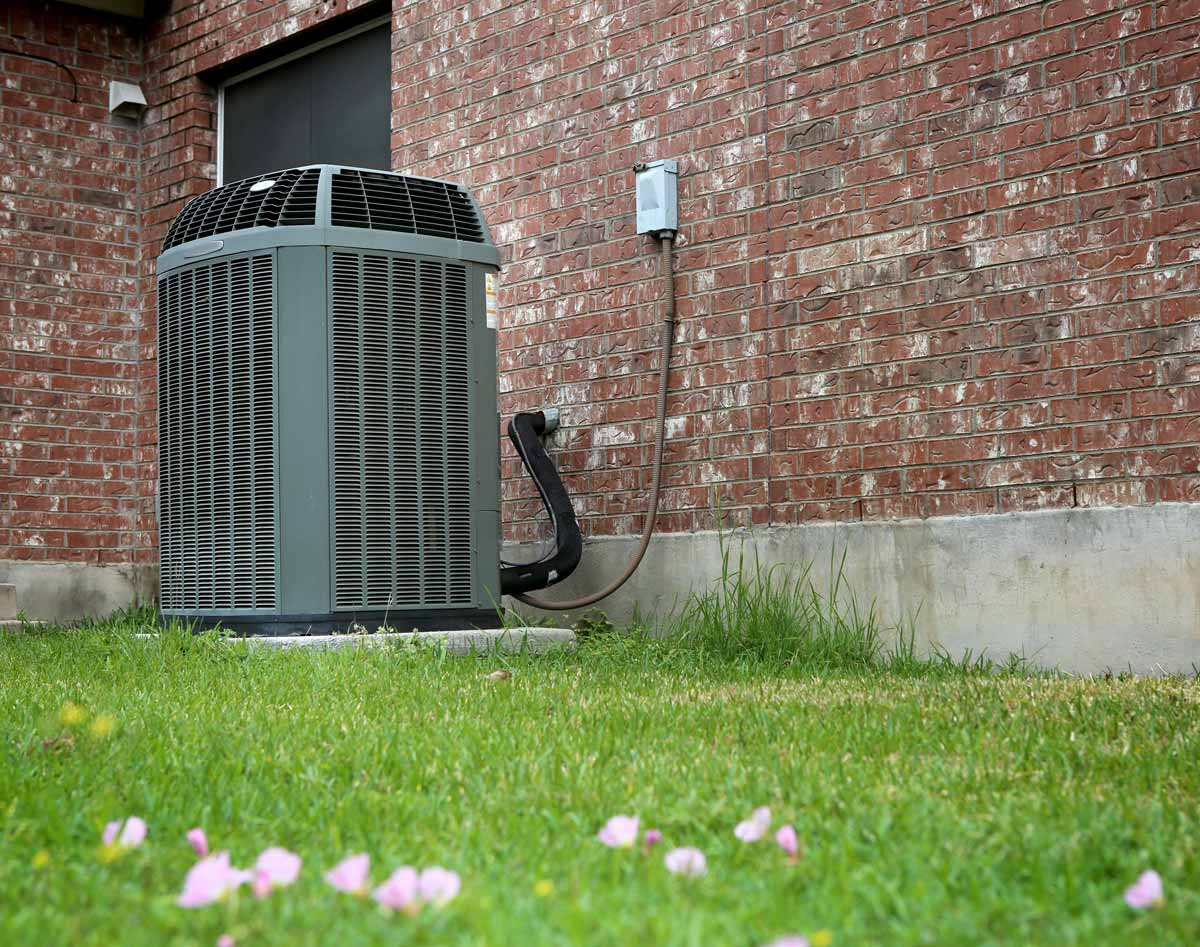
Check the Outdoor Unit: Remove debris, such as leaves or snow, from the outdoor unit. Keep a clearance of at least 18 inches around it to allow proper airflow.
Schedule Professional Maintenance: While DIY maintenance is beneficial, it’s important to have a professional inspect your heat pump at least once a year. They’ll check for minor issues that could escalate into significant problems if left unattended.
Common Heat Pump Problems
Despite your best efforts in maintaining your heat pump, you’ll inevitably encounter some common issues.
One common issue is the pump not heating or cooling effectively. This might be due to low refrigerant levels, incorrect thermostat settings, or dirt and debris in the system. You could also encounter a system that’s constantly running, which might suggest a problem with the thermostat or a lack of insulation in the home.
Furthermore, strange noises coming from the heat pump are another common problem. This may be a sign of loose or broken parts within the system. Another usual problem is ice formation on the coil, which could indicate issues with defrost controls, fan motors, or belts.
Troubleshooting Minor Issues
A handful of minor issues with your heat pump can often be troubleshooted and resolved without professional intervention. You don’t need to be an expert to handle these simple fixes — you just need a bit of guidance and patience.
Here are three common issues you might encounter and steps to resolve them:
Inefficient Heating: Check the thermostat settings if your heat pump isn’t producing enough heat. Ensure it’s set to heating mode and the temperature is above the room’s current temperature. Also, examine the filters. If they’re dirty, cleaning or replacing them can improve efficiency.
Unusual Noises: If you hear unusual noises from your unit, it might be due to loose parts or debris in the system. Tighten any loose screws and clean the outdoor unit to remove any debris.
Frequent Cycling: If your heat pump frequently switches on and off, it could be a thermostat issue. Verify that the thermostat is calibrated correctly and isn’t exposed to drafts or heat sources, which could cause false readings.
These simple steps can help you maintain your heat pump’s efficiency and longevity, serving your home and family with reliable warmth for years to come.
When to Call a Professional
While you can handle minor issues with your heat pump, there are instances when you’ll need to call a professional. Recognizing these situations is essential not only to your comfort and convenience but also to the longevity and efficiency of your heat pump system.
You should call a professional if your unit isn’t heating or cooling effectively or if it’s cycling on and off too frequently. These could indicate problems with the thermostat, refrigerant levels, or electrical components. Unusual noises are another red flag. Grinding, squealing, or clattering sounds may point to mechanical issues that require expert attention.
Another clear sign is if your energy bills have suddenly spiked without changing your usage habits. This could mean your system works harder than it should to maintain your desired temperature, leading to premature wear and tear.
Lastly, if you’re uncomfortable with performing routine maintenance tasks such as cleaning or replacing filters, it’s better to call a professional. Remember, regular upkeep is key to ensuring your heat pump operates efficiently and lasts for many years. Don’t hesitate to call in the experts when it’s warranted — they’re there to help. Heat pump repair from a qualified technician resolves these issues correctly the first time.
Maximizing Heat Pump Efficiency
To maximize your heat pump’s efficiency, you should employ a few key strategies. These not only enhance the performance of your system but also extend its lifespan, saving you money in the long run.
Regular Maintenance: Keeping your heat pump in ideal condition is crucial. Schedule routine maintenance at least twice a year. This includes cleaning and inspecting all components, replacing worn-out parts, and ensuring the system is functioning at its peak.
Proper Insulation: A well-insulated home reduces the load on your heat pump, allowing it to work less and more efficiently. Check your home’s insulation regularly, particularly in the attic and walls, and make necessary upgrades.
Thermostat Settings: Ideal thermostat settings can greatly impact your heat pump’s efficiency. During winter, set your thermostat to a constant 68°F. In summer, a setting of 78°F is recommended. Avoid frequent changes, which can cause your heat pump to work harder, reducing efficiency.
Key Takeaways
A heat pump’s efficiency starts with choosing the right size and type for your home and climate, supported by strong SEER and HSPF ratings. Professional installation is strongly recommended — it involves electrical work and refrigerant handling that most manufacturers require for warranty coverage. Once installed, a consistent maintenance routine — monthly filter checks, 18 inches of outdoor unit clearance, and annual professional inspection — prevents the most common failures, including ice buildup, inconsistent heating, and unusual noises. Call a professional for anything beyond basic troubleshooting, especially refrigerant issues or unexplained energy bill spikes. Contact Back Bay Mechanical AC Repair & Heating for expert heat pump installation, repair, and maintenance.
Ready to Install or Service Your Heat Pump?
Whether you’re installing a new heat pump or need help troubleshooting an existing one, Back Bay Mechanical AC Repair & Heating is here to help with expert installation, repair, and ongoing maintenance.