
Key Points
- Six proven strategies to maximize heat pump efficiency: optimize thermostat settings, schedule regular maintenance, seal air leaks, use auxiliary heat wisely, understand the defrost cycle, and use ceiling fans strategically.
- According to the U.S. Department of Energy, heat pumps can deliver 2–4 units of heat for every unit of electricity consumed — making them among the most efficient heating and cooling options available, but only when operated and maintained correctly.
- Thermostat strategy is the most impactful efficiency lever available to homeowners — heat pumps work most efficiently when maintaining a steady temperature rather than recovering from large setbacks; the DOE recommends limiting setbacks to no more than 2°F when using a non-smart thermostat.
- On the South Shore, where National Grid and Eversource serve most Rockland and Braintree residents, even moderate heat pump efficiency improvements deliver meaningful savings throughout Massachusetts’ long October–April heating season.
- Auxiliary/emergency heat is necessary but expensive — it should activate automatically when outdoor temperatures drop too far for the heat pump to work efficiently, but should never be manually engaged as a primary heat source; homeowners who inadvertently leave “Emergency Heat” on can see dramatically higher electric bills.
- The defrost cycle — when your outdoor unit appears to be steaming or the system briefly stops heating — is normal operation, not a malfunction; understanding this prevents unnecessary service calls during South Shore winters.
- Contact Back Bay Mechanical, AC Repair & Heating for expert heat pump maintenance, repair, and installation throughout Rockland, Braintree, and the South Shore area.
Heat pumps are one of the most efficient ways to heat and cool your home, but getting the most out of them requires more than just flipping a switch. Whether you’re new to heat pump ownership or looking to squeeze more savings out of your existing system, these tips will help you maximize efficiency — and keep your energy bills manageable through a South Shore Massachusetts winter.
Optimize Your Thermostat Settings
One of the most important — and most misunderstood — aspects of heat pump efficiency is how you use your thermostat. Heat pumps work best when they maintain a consistent temperature, rather than large temperature swings. Unlike gas furnaces, which can quickly reheat a home after a significant setback, heat pumps work more gradually and efficiently when maintaining a steady temperature.
What this means in practice:
- Avoid large temperature setbacks. Setting your thermostat back 10°F when you leave and cranking it back up when you return forces the heat pump to work hard — and may trigger the less-efficient auxiliary heat to help recover the temperature quickly.
- Use gradual adjustments. If you want to save energy while away, limit setbacks to 2–4°F rather than the larger setbacks that work well with gas furnaces.
- Consider a smart thermostat. Smart thermostats designed for heat pumps — like the Ecobee or certain Nest models — understand heat pump behavior and can manage temperature recovery gradually, maximizing efficiency without triggering auxiliary heat unnecessarily.
A properly programmed smart thermostat can make a significant difference in your annual energy costs — especially during the South Shore’s long heating season from October through April.
The Massachusetts rebate opportunity for smart thermostats: The Mass Save program offers rebates on qualifying smart thermostats — typically $100 or more per thermostat — making the upgrade even more financially attractive. A smart thermostat paired with your heat pump is one of the highest-return efficiency investments available to Rockland and Braintree homeowners. Ask your Back Bay Mechanical technician about compatible models during your next service visit.
Schedule Regular Maintenance
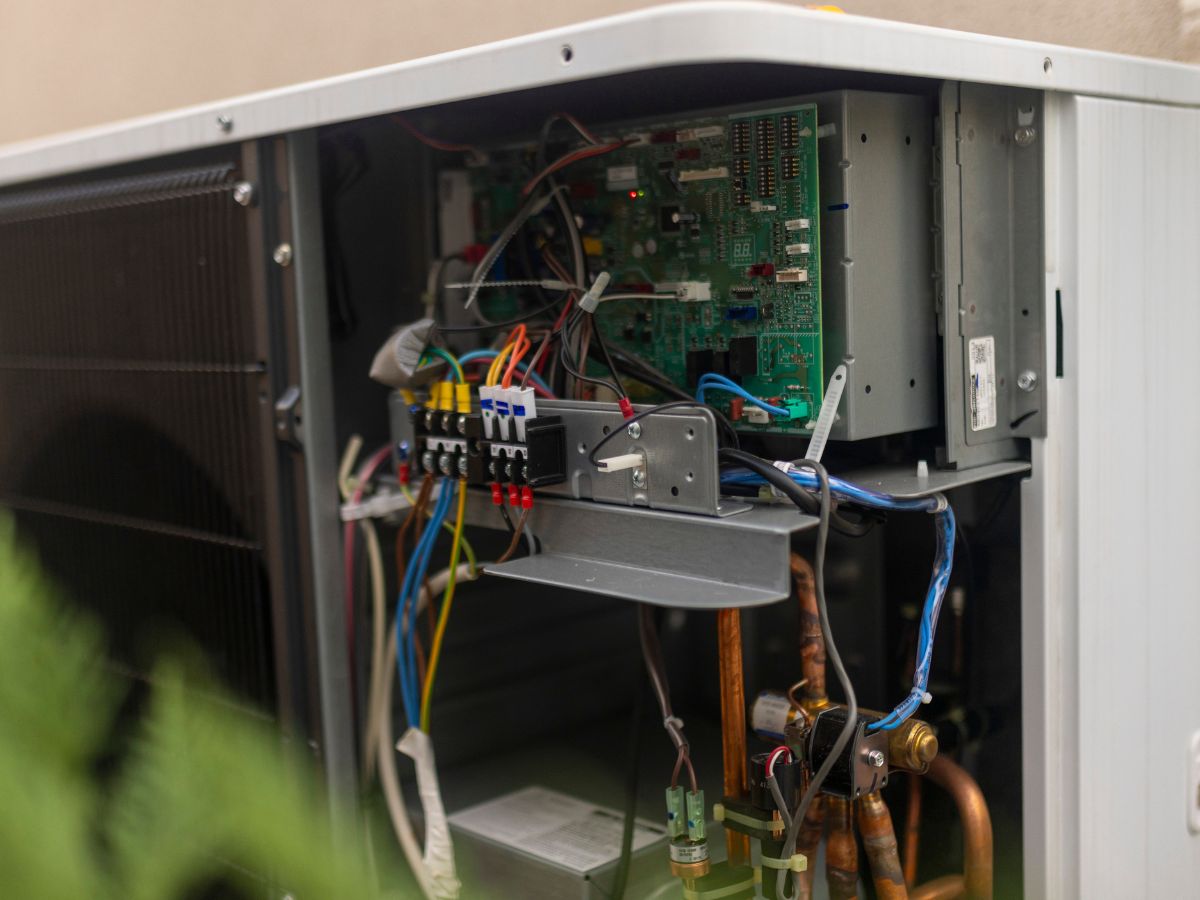
Like any mechanical system, your heat pump needs regular professional maintenance to operate at peak efficiency. Annual heat pump maintenance from Back Bay Mechanical typically includes:
- Cleaning the indoor and outdoor coils
- Checking refrigerant levels
- Inspecting and cleaning the air filter
- Lubricating moving parts
- Checking electrical connections and components
- Testing the defrost cycle
- Verifying system performance across both heating and cooling modes
Skipping maintenance doesn’t just reduce efficiency — it shortens system lifespan and can turn a small developing issue into an expensive emergency repair. A heat pump that hasn’t been serviced may use 10–25% more energy than a well-maintained unit to produce the same amount of heating or cooling.
Best maintenance timing for South Shore homes: Schedule your annual heat pump maintenance in September or early October — before the heating season begins and before Back Bay Mechanical’s schedule fills up with the inevitable November and December service calls. Fall maintenance ensures your system enters the demanding South Shore winter at peak efficiency, with refrigerant levels confirmed, coils clean, and defrost cycle verified. If your heat pump also handles summer cooling, a spring tune-up covering the cooling-mode components is also valuable. Contact Back Bay Mechanical to schedule your fall maintenance before the season begins.
Seal Air Leaks and Improve Insulation
Your heat pump can only be as efficient as your home’s envelope allows. Even the most efficient heat pump will struggle to maintain comfortable temperatures if heated air is constantly escaping through air leaks or inadequately insulated walls, ceilings, and floors.
Key areas to inspect and seal:
- Windows and door frames — use weatherstripping and caulk to seal gaps
- Electrical outlets and switch plates on exterior walls — these are common and overlooked infiltration points
- Attic hatch covers — often the single largest source of heat loss in older South Shore homes
- Basement rim joists and foundation sill plates — particularly important in the cold New England climate
Improving insulation in the attic is typically the highest-return insulation upgrade in most Massachusetts homes — and it directly reduces the heating load your heat pump must overcome on the coldest January nights.
Mass Save energy audits: The Mass Save program offers free home energy assessments for most Eversource and National Grid customers in Rockland, Braintree, and surrounding South Shore towns. An auditor will identify specific air leakage points and insulation deficiencies in your home, and Mass Save offers significant rebates on the resulting improvements. If you haven’t had a Mass Save audit, scheduling one is one of the most valuable free services available to South Shore homeowners — and it directly compounds the efficiency of your heat pump system.
Use Auxiliary Heat Wisely
Most heat pumps installed in Massachusetts include an auxiliary heating source — typically electric resistance strips — that activates automatically when the outdoor temperature drops too low for the heat pump to operate efficiently on its own. Understanding how auxiliary heat works is essential for avoiding unnecessary energy costs.
What you need to know:
- Auxiliary heat is normal and expected. When temperatures drop into the single digits — which does happen on the coldest South Shore nights — your heat pump will automatically engage auxiliary heat. This is by design and should not alarm you.
- “Emergency Heat” is different from auxiliary heat. Most heat pump thermostats have an “Emergency Heat” or “EM Heat” setting. This setting bypasses the heat pump entirely and runs only the electric resistance strips. It is significantly less efficient and should only be used if the heat pump itself has failed and you’re waiting for repair.
- Never leave “Emergency Heat” engaged as a primary heat source. Running your system in Emergency Heat mode for a full heating season can dramatically increase your Eversource or National Grid bill.
If you notice your system running auxiliary heat frequently at temperatures above 35–40°F, this may indicate a refrigerant issue or other problem that warrants a heat pump repair diagnostic from Back Bay Mechanical.
Understand and Don’t Interrupt the Defrost Cycle
Heat pumps extract heat from outdoor air — and in cold, humid Massachusetts winters, the outdoor coil can develop frost or ice during normal operation. To prevent ice buildup from reducing efficiency, heat pumps have a built-in defrost cycle that temporarily reverses operation to melt accumulated frost.
During the defrost cycle, you may notice:
- Steam or vapor rising from the outdoor unit
- The outdoor fan stopping temporarily
- A brief reduction in heating output indoors
- A hissing sound as the reversing valve switches
This is completely normal. The defrost cycle typically lasts 5–15 minutes and occurs automatically based on time intervals or sensor readings. Homeowners sometimes call for service during defrost cycles thinking the system is broken — but interrupting the cycle or turning the system off can actually cause problems.
When to be concerned: If your outdoor unit is developing thick ice buildup that doesn’t clear within 30–60 minutes, or if the entire unit — including the sides and fan — is encased in ice, this indicates a defrost cycle malfunction or refrigerant issue that requires professional attention. Contact Back Bay Mechanical if you notice persistent ice accumulation on your outdoor unit.
Use Ceiling Fans Strategically
Ceiling fans aren’t just for summer — they can meaningfully improve heat pump efficiency in winter as well. During heating mode, set your ceiling fans to rotate clockwise at low speed. This pushes the warm air that naturally rises to the ceiling back down into the living space, improving comfort and reducing how hard your heat pump has to work to maintain the set temperature.
The DOE estimates that using ceiling fans to improve air circulation can allow you to raise your thermostat setting by approximately 4°F with no reduction in perceived comfort — directly reducing how long your heat pump runs and how much energy it consumes.
A note on fan use: Ceiling fans cool people through the wind-chill effect, not by actually lowering room temperature. Always turn fans off when you leave a room — running them in empty rooms wastes electricity without providing any benefit.
Key Takeaways
Six strategies maximize heat pump efficiency on the South Shore of Massachusetts: use gradual thermostat adjustments (not large setbacks) and consider a Mass Save–rebated smart thermostat; schedule annual professional maintenance in early fall before the heating season; seal air leaks and pursue a free Mass Save energy audit to compound the efficiency of your system; understand that auxiliary heat is normal but Emergency Heat mode should never be used as a primary heat source; don’t interrupt or misinterpret the normal defrost cycle; and use ceiling fans on clockwise/low speed in winter to push warm air down. The DOE confirms properly maintained heat pumps deliver 2–4 units of heat per unit of electricity — but only when operated correctly. Contact Back Bay Mechanical, AC Repair & Heating for expert heat pump maintenance, repair, and installation throughout Rockland, Braintree, and the greater South Shore area.
Let Back Bay Mechanical Help You Get the Most From Your Heat Pump
Getting the most out of your heat pump is about more than just the equipment — it’s about how you use it, how well your home is prepared, and how consistently it’s maintained. Back Bay Mechanical provides expert heat pump maintenance and heat pump repair throughout Rockland, Braintree, and the surrounding South Shore communities. If you’re considering a new system, we also offer expert heat pump installation and can help you navigate Mass Save rebates and other available incentives.
Contact us today to schedule your fall maintenance visit or discuss your heat pump needs.