
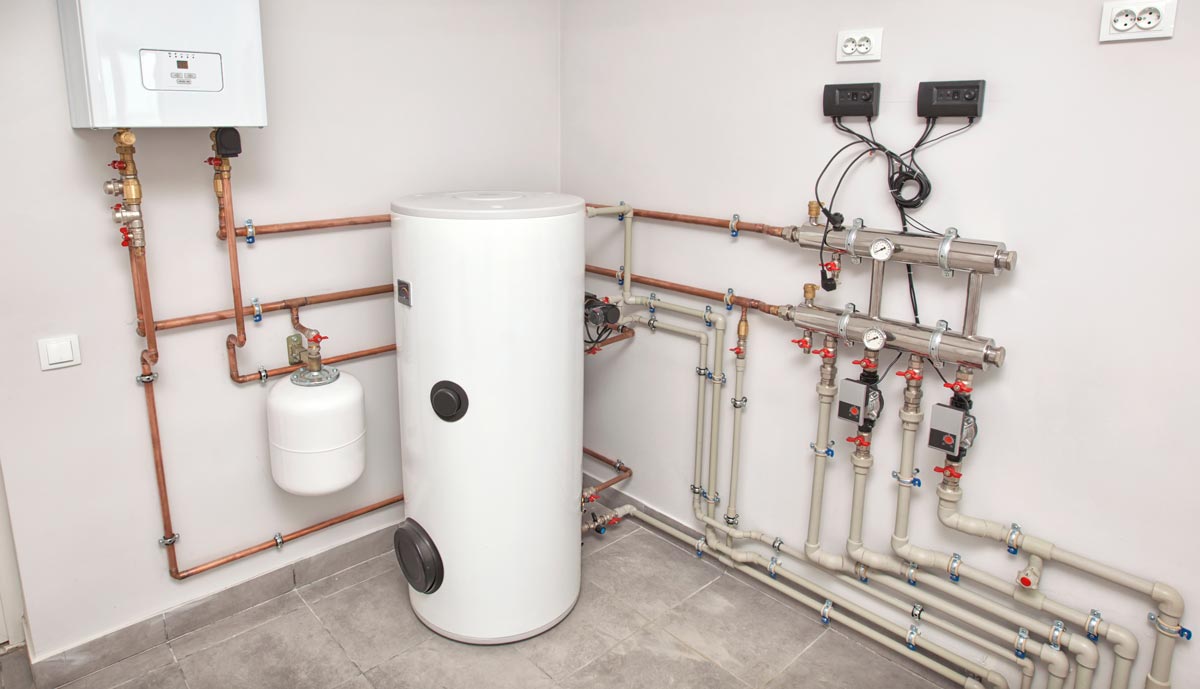
Did you know that nearly 40% of all industrial accidents are related to improper boiler operation and maintenance? As a boiler owner or operator—especially if you’ve recently done a boiler installation—it’s crucial to understand the importance of regular safety inspections. These checks aren’t just for compliance; they help you catch potential issues early, saving you from costly downtime and, more importantly, keeping your facility safe.
Recognizing Boiler Emergencies
Recognizing boiler emergencies is essential to maintaining a safe environment and preventing potential disasters. You’re not expected to be an expert, but knowing about potential hazards can make a huge difference.
There are several warning signs that you should look out for. Excessive vibration or noise is often an indication of mechanical issues. If you observe any unusual movements or sounds, don’t ignore them. A sudden drop or increase in boiler pressure isn’t standard either. This could signify a severe problem in the system. Keep an eye on the gauge; you have a situation if it’s not within the normal range.
Another red flag is an irregular flame. If the flame is too high, too low, or flickering, there might be issues with the fuel system. An abnormally high stack temperature is also a cause for concern. This could mean that the boiler isn’t operating efficiently.
Lastly, if you smell gas or see smoke, act fast. These are clear signs of a boiler emergency.
Immediate Actions to Take
After identifying these warning signs, it’s your responsibility to take immediate and decisive action to mitigate any potential boiler emergencies. Your first step should be to shut off the boiler. This simple action can prevent further damage and potential disasters.
Next, make certain that everyone in the vicinity is safe. This might require evacuating the area around the boiler, particularly if there’s a risk of fire or explosion. Your safety and that of others is paramount.
Once everyone is safe, contact a professional boiler inspector or repair service. They have the necessary training and expertise to handle boiler emergencies safely and effectively. It’s essential not to attempt any repairs unless you’re a trained professional. Boilers are complex machines, and attempting to fix one without the proper knowledge can lead to further damage or even personal injury.
While waiting for the professionals, document everything. This can help identify the cause of the issue and prevent it from happening again. Record any warning signs you noticed, steps you took, and changes you observed in the boiler’s operation.
Understanding Boiler Types
To guarantee safety and efficiency in your operations, you must be familiar with the different types of boilers and their unique features. Two primary types are fire-tube and water-tube boilers.
Fire-tube boilers are the most commonly used. They’re characterized by hot gases passing through tubes surrounded by water. This design is ideal for lower-pressure applications and is generally more affordable and easier to operate. However, it is less efficient than water-tube boilers.
Water-tube boilers, on the other hand, have water pass through tubes surrounded by hot combustion gases. This design is suitable for high-pressure applications, providing better efficiency, and can also handle a larger volume of water. However, they’re more complex and expensive to install and operate.
Understanding these boiler types allows you to make informed decisions about the right boiler for your needs. Remember, the right choice isn’t always the most expensive or advanced but suitable for your requirements. It’s not just about efficiency or cost but also safety, reliability, and ease of maintenance. Always consider these factors when choosing a boiler. You’re serving not only your organization but also your team’s safety.
Importance of Regular Boiler Maintenance
Regular maintenance of your boiler plays an essential role in guaranteeing not only its ideal performance but also its longevity and the safety of your operations. A well-maintained boiler is less likely to fail, keeping your facility running smoothly and preventing costly downtime.
But it’s not just about cost-saving. Regular check-ups can help you identify minor issues before they escalate into major problems. By catching these early, you can address them promptly, avoiding potential hazards and guaranteeing the safety of your staff and clients. Remember, a faulty boiler isn’t just inefficient—it can be dangerous.
Moreover, routine maintenance helps maintain your boiler’s efficiency. Over time, boilers can accumulate dirt and soot, greatly affecting their performance. Regular cleaning guarantees that your boiler remains in top working condition, operating at peak efficiency and reducing energy costs.
Lastly, regular boiler maintenance is often a requirement of warranty terms and conditions. Failing to keep up with maintenance schedules can invalidate your warranty, leaving you without a safety net should something go wrong. So, for your boiler’s safety, efficiency, and longevity, regular maintenance is not an option—it’s a necessity.
Identifying Reliable Repair Services
When your boiler’s health is on the line, choosing a reliable repair service becomes essential. You can’t afford to trust this critical piece of equipment to just anyone. So, how do you identify a trustworthy boiler repair service?
First off, look for proven experience. Companies that have been in the business for several years typically have a track record of success. They’ve seen and handled various boiler issues and can more confidently diagnose and resolve your boiler’s problems.
Secondly, consider their qualifications. A reputable boiler repair service will have certified technicians. Certifications verify that the technicians have undergone rigorous training and meet the industry standards. Don’t overlook this aspect.
Thirdly, check out their online reputation. Read reviews and feedback from previous customers. This gives you an insight into the company’s consistency in delivering quality service.
Lastly, examine their customer service. A reliable repair service will prioritize your needs, responding promptly to your calls and questions. They’ll also be transparent about their service fees and not hit you with hidden charges.
Questions to Ask Your Technician
Steering through a boiler inspection can seem intimidating, but armed with the right questions for your technician, you’ll guarantee that your boiler’s health is not compromised. You should ask your service technician certain questions as an engaged and responsible client.
Firstly, inquire about their expertise and qualifications. You’ll want to verify their certification to work on your boiler model. Ask about their prior experience with boilers similar to yours. It’s crucial to be assured that they’re knowledgeable and capable of handling your needs.
Secondly, ask about the inspection process. What are they looking for? What common issues do they usually encounter? Understanding the process can help you become more proactive in safeguarding the boiler’s longevity.
Thirdly, ask about maintenance tips. A competent technician should be able to provide guidance on routine checks you can do to prevent potential problems.
Lastly, don’t shy away from discussing safety. What safety measures do they adhere to while inspecting? How can you guarantee your boiler operates safely? Remember, the goal is to protect your boiler’s health, keeping safety at the forefront.
Cost Estimation for Boiler Repairs
To manage the financial aspect of boiler repairs, getting a clear cost estimate from your service technician is essential. This is no minor task involving several key elements that can greatly impact the final cost. Being unaware of these factors may lead to unexpected expenses, which could strain your budget.
To navigate this, let’s consider the following three key factors:
- Labor Costs: This is usually the most important part of the repair bill. It includes the technician’s time spent diagnosing the issue, obtaining parts, and performing the repair.
- Parts and Materials: Depending on the severity of the issue, you may require new parts or materials for the repair. High-quality parts usually come at a higher price but offer better durability and performance.
- Emergency Services: If your boiler breaks during off-hours or holidays, be prepared for additional emergency service fees. Most service providers charge these, which can significantly increase the overall cost.
Knowing these cost factors gives you a better understanding of what to expect in your cost estimation. It also helps you to make informed decisions, promoting a culture of transparency and trust between you and your service technician.
Preparing for Boiler Repair Visits
In preparation for a boiler repair visit, it is crucial to understand what the process entails and how you can adequately prepare to guarantee a smooth and efficient service. To begin with, make sure you’ve cleared the area around the boiler. Technicians need easy access to perform their jobs effectively, removing any obstructions that may hinder their movements.
Next, it is advantageous to gather all relevant paperwork. This includes any warranties, service history, and records of previous repairs. These will help the technician better understand the boiler’s history, ensuring they can provide thorough, efficient service.
You should also list any specific issues you’ve noticed with your boiler. These could be unusual noises, changes in performance, or error messages displayed. This information will give the technician a starting point for their inspection, potentially expediting the repair process.
Post-Repair Boiler Care
Once your boiler has been serviced, it’s vital to follow a robust post-repair care routine to maintain efficiency and prolong lifespan. Proper care isn’t just about preventing future issues; it’s also about ensuring your boiler operates at its best for as long as possible.
Here are three key steps to take into account:
- Regular Checks: It’s important to monitor your boiler’s performance regularly. This includes checking for leaks, unusual noises, or any changes in heating efficiency. Contact a professional immediately to prevent further damage if you notice any abnormalities.
- Routine Maintenance: Even after repairs, routine maintenance is essential. This can involve cleaning, lubrication, or adjusting parts as necessary. Follow your manufacturer’s guidelines to guarantee you provide the proper care for your boiler model.
- Efficient Use: Avoid overloading your boiler. Balance usage and rest periods to prevent unnecessary wear and tear.
Preventing Future Boiler Emergencies
To prevent future boiler emergencies, it’s essential to be proactive in employing safety measures, conducting regular inspections, and promptly addressing minor issues before they escalate. Regular maintenance is key to ensuring your boiler operates safely and efficiently. This involves checking for leaks, monitoring pressure levels, and cleaning the system to prevent buildup that could lead to malfunction.
Having your boiler inspected annually by a qualified professional is also vital. They’ll examine the system thoroughly, identifying and rectifying any issues that could lead to a breakdown. Remember, prevention is always better than cure, so don’t wait for a problem to occur before you take action.
In addition, you must understand your boiler’s operational requirements. Stay updated with the latest safety standards and guidelines. Equip yourself with the knowledge to perform basic troubleshooting and when to call a professional.
Moreover, investing in quality parts and hiring reliable service providers can save you from costly emergencies. It’s not just about cost-saving; it’s about peace of mind, knowing that you’re doing your part in preventing boiler emergencies that could pose a risk to you and those around you.
Conclusion
In summary, don’t let your boiler become a ticking time bomb. Regular safety inspections are your safety net, catching potential issues before they become disasters. You can keep your boiler running smoothly and efficiently by understanding your equipment, maintaining it vigilantly, and utilizing reliable repair services. The cost of prevention pales in comparison to the price tag of an emergency. So, don’t skimp on these essential inspections – they’re worth their weight in gold.