
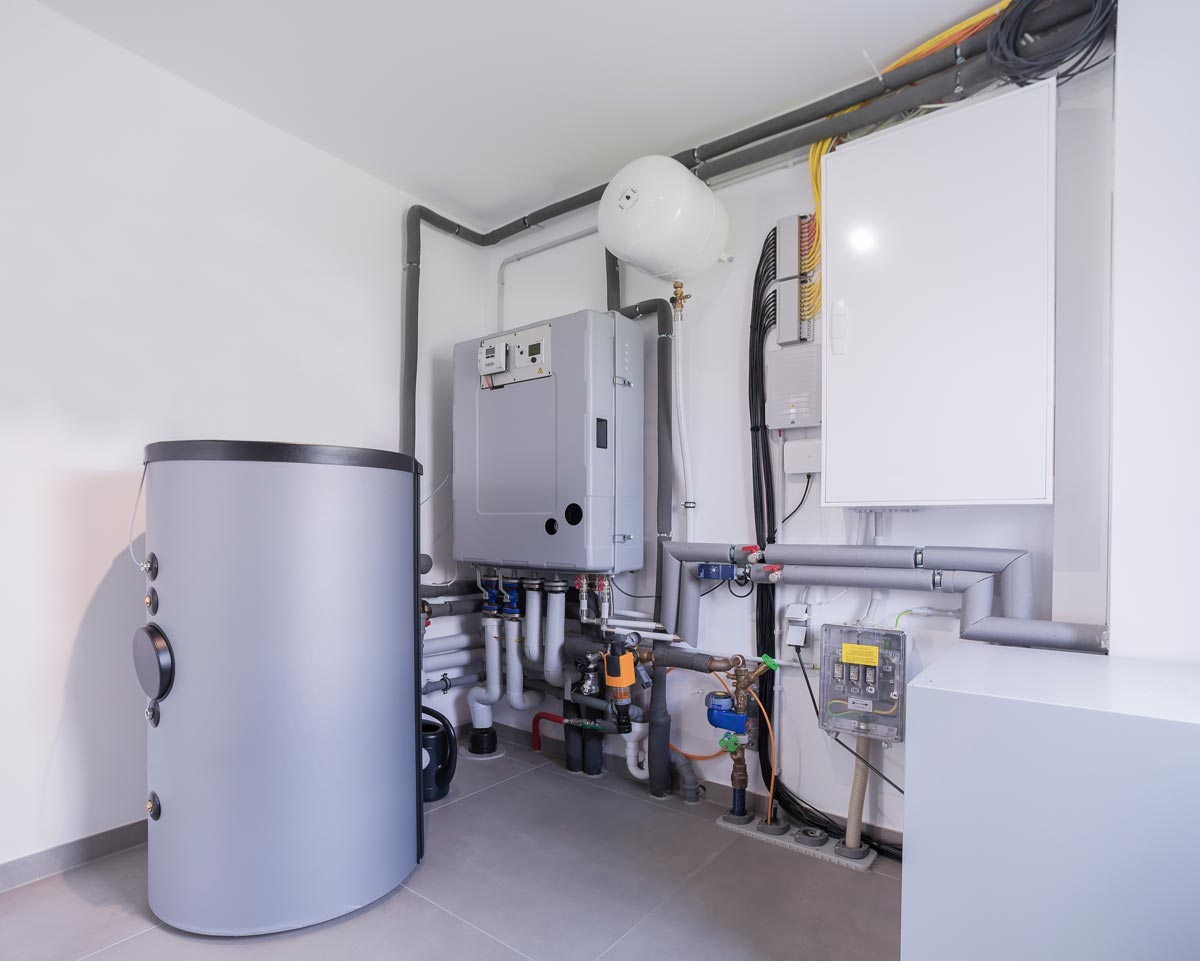
Isn’t it intriguing how the right heating system can transform a chilly house into a warm sanctuary during harsh winters? You’ve probably considered various systems, from the traditional forced air to the modern geothermal heat pumps. Each has its merits, but determining the best one for your home can be a puzzle. We’ll explore the pros and cons of these systems, evaluating them for efficiency, cost-effectiveness, and suitability to cold climates. Intrigued to find out which system might be your home’s perfect match? Let’s commence on this journey together.
Understanding Home Heating Systems
To make an informed decision about the best heating system for your home, you’ll need a thorough understanding of the various types of home heating systems and their efficiency, cost-effectiveness, and suitability for your specific needs. Whether you’re planning a new heating installation or upgrading an existing setup, it’s important to know that there are three main types of home heating systems: forced air, radiant heat, and steam radiant.
Forced air systems, the most common type, use a furnace or heat pump to heat air and distribute it throughout your home via ductwork and vents. They’re versatile and capable of heating, cooling, filtering, and humidifying your home. However, they can distribute allergens and may create uneven heating.
Radiant heat systems deliver heat directly from a hot surface to the room via infrared radiation. They can use heated water tubes or electrically heated panels installed on the floor, walls, or ceiling. They provide efficient, consistent heat but can be expensive to install.
Lastly, steam radiant systems utilize steam radiators to heat a room. They’re energy-efficient, but the heat can be hard to regulate, and the radiators are often bulky.
Your choice should reflect your home’s structure, climate, and budget.
The Efficiency of Gas Furnaces
When considering a gas furnace for your home, it’s important to evaluate its efficiency, as this factor greatly influences its performance and impact on your energy bills. Efficiency refers to how much of the gas’s energy is converted into heat for your home. This is usually expressed as an Annual Fuel Utilization Efficiency (AFUE) rating. A higher AFUE rating indicates a more efficient furnace.
For instance, a furnace with an AFUE of 90% means that 90% of the energy in the fuel becomes heat for the home, and the remaining 10% escapes up the chimney or elsewhere. Modern gas furnaces can achieve AFUE ratings of up to 98.5%, translating to nearly all the energy in the fuel being converted to heat.
It’s vital to remember that a high-efficiency furnace tends to be more expensive upfront. However, you’ll typically recoup this initial investment over time through lower energy bills. Therefore, if you’re invested in contributing to a more sustainable environment and optimizing energy usage, a high-efficiency gas furnace may be an excellent choice for your home.
Exploring Heat Pumps
Delving into another efficient home heating system, heat pumps offer a unique approach to climate control, delivering both heating and cooling capabilities within a single unit. Unlike traditional heating systems that burn fuel to create heat, heat pumps work by transferring heat from one place to another. They extract warmth from the earth or air outside, even in cold weather, and transfer it into your home.
Let’s look at the two main types: air-source and ground-source heat pumps. The most common type is air-source heat pumps, which pull heat from the air outside and distribute it inside your home. They’re energy-efficient, but their performance can decrease as outdoor temperatures drop.
On the other hand, ground-source or geothermal heat pumps harness the earth’s stable temperature to provide consistent heat. They’re more efficient than air-source pumps but require a significant upfront investment for installation.
Benefits of Hydronic Heating
Switching gears, let’s consider the advantages of hydronic heating, an efficient system that uses water to disperse warmth throughout your home. Hydronic systems utilize a boiler to heat water, which is circulated through pipes to radiators or underfloor heating systems. You’ll appreciate this system’s consistent, even heat, making it an ideal solution for cold climates.
One key benefit is energy efficiency. Because water conducts heat better than air, a hydronic system requires less energy to achieve the desired temperature. You’ll see a noticeable reduction in your energy bills, which is good for your wallet and the environment.
Another advantage is the low operational noise. Unlike forced-air systems that can be noisy, hydronic heating operates quietly, enhancing the comfort of your living space.
Also, since hydronic systems distribute heat via radiation rather than air convection, they don’t stir up dust or allergens. This feature makes them an excellent choice for those suffering from allergies or respiratory concerns.
The Power of Electric Baseboard Heaters
Releasing the potential of electric baseboard heaters, these systems offer a reliable and efficient method for heating individual rooms or zones within your home. Known for their simplicity, these heaters use an electric resistance heating element encased within a metal pipe to produce heat, radiating it into the room.
Using a thermostat lets you easily control the temperature within each room, saving energy and reducing your heating costs. Plus, since they don’t require ductwork, you’ll avoid the energy loss associated with forced-air systems.
However, to maximize their efficiency, it’s essential to place them under windows or on exterior walls, where cold air enters the room. This way, the cold air will be heated as it enters, creating a warmer and more comfortable environment.
While electric baseboard heaters are cost-effective, they are best for supplementing the primary heating system, especially in larger homes; they’re ideal for rooms that don’t receive adequate heat from the central system or spaces requiring a different temperature setting.
Pros and Cons of Boiler Systems
While electric baseboard heaters have merits, it’s worth considering the advantages and drawbacks of boiler systems as another viable home heating option. Boilers, which use water to distribute heat, can be an efficient system for keeping homes warm in frigid climates.
One advantage is their quiet operation. Unlike forced-air systems that can create noise as they kick on and off, boilers operate almost silently. They also distribute heat evenly across rooms, reducing hot and cold spots. Additionally, boilers don’t circulate dust or allergens, helping to maintain a healthier indoor environment.
However, boilers have their drawbacks. The initial boiler installation can be costly and time-consuming due to the need for pipework. Maintenance needs are also more complex. Unlike simpler systems, boilers require periodic draining and refilling to prevent mineral buildup and improve efficiency. There’s also the risk of water damage if a leak occurs, which could lead to costly repairs.
Solar Heating Systems: A Sustainable Option
In your quest for a sustainable, energy-efficient home heating solution, solar heating systems emerge as a compelling option. They harness the power of the sun to generate heat with minimal environmental impact. What’s more, these systems have the potential to reduce your energy bills significantly, and they’re becoming increasingly affordable.
Here are some key aspects of solar heating systems that make them such a worthy investment:
- Efficiency: Solar heating systems can convert up to 80% of the sun’s energy into heat, making them more efficient than traditional heating systems.
- Sustainability: By using a renewable energy source, you’re contributing to reducing harmful greenhouse gas emissions.
- Cost-effectiveness: While the upfront cost may seem high, the long-term savings on energy bills can offset it over time.
- Maintenance: These systems require minimal upkeep, saving you even more money in the long run.
You’re not just serving your own interests by choosing a solar heating system; you’re also serving the environment and future generations. It’s a decision that aligns with a responsible, forward-thinking lifestyle. So, as you contemplate the best heating system for your home, don’t overlook the potential of solar power.
Geothermal Heat Pumps: Worth the Investment?
Another viable option for an eco-friendly and efficient heating system is the geothermal heat pump, an investment worth considering for its long-term benefits. Unlike conventional heating systems, geothermal heat pumps harness the consistent temperature beneath the earth’s surface to provide your home with heat during winter. This process is sustainable and more energy-efficient, which can significantly lower your utility bills in the long run.
You might be wondering about the initial cost of installing a geothermal heat pump. Yes, the upfront cost is indeed higher than that of traditional systems. But don’t let this deter you. The U.S. Environmental Protection Agency estimates that geothermal heat pumps can recoup their installation costs within 5 to 10 years through energy savings. Additionally, with a lifespan of 25 years for the indoor components and 50+ years for the ground loop, you’re looking at decades of cost-effective, eco-friendly heating.
In your pursuit of serving others and the environment, geothermal heat pumps prove your commitment. Considering this heating system, you’re taking a notable step towards a more sustainable future.
Wood Burning Stoves: A Classic Choice
If you find yourself charmed by the timeless appeal of a classic heating system, you’ll discover that wood-burning stoves offer not only aesthetic but also practical advantages. With their old-world charm, these stoves can serve as an efficient and sustainable source of home heating.
Here’s a closer look at the benefits of wood-burning stoves:
- Sustainable Fuel Source: Wood is a renewable and carbon-neutral fuel source. You’re contributing to a more sustainable world by responsibly sourcing your wood.
- Independent Heating: You’re not reliant on external power with a wood stove. This makes it a robust option for uninterrupted heating, which is vital in areas with frequent power outages.
- Effective Heat Distribution: Wood stoves produce radiant heat, which warms spaces quickly and efficiently and can be easily spread throughout the home.
- Maintenance and Longevity: Wood stoves are known for their durability. With proper care and maintenance, they can last for many years.
Comparing Costs and Energy Efficiency
Delving into the intricacies of costs and energy efficiency, you’ll find many factors that can considerably influence the overall performance and affordability of different heating systems. Initial investment, ongoing operational costs, and energy efficiency ratios are critical determinants in this evaluation.
You must look at the upfront costs. High-efficiency systems often have a hefty price tag but provide long-term benefits. They consume less energy, reducing your monthly bills and contributing to a smaller carbon footprint.
Next, consider the operational costs. These include routine maintenance, potential repair costs, and the cost of fuel or electricity. A system might be cheap to install but expensive to run, or vice versa.
Lastly, examine the energy efficiency ratio. This is the ratio of sound heat output to the total energy input. A higher ratio means better efficiency and lower operational costs.
Conclusion
Choosing the best heating system for your home in a cold climate is no small task. It’s like picking the perfect winter coat—you need something reliable, efficient, and suitable for your specific needs. Whether that’s a traditional gas furnace, a sustainable solar system, or a high-tech geothermal pump, remember that the ideal system marries efficiency with comfort. So, weigh the costs, consider the benefits, and make an informed decision about your home’s warmth.