
When it comes to your comfort during those cold winter months, choosing the perfect heating system is paramount. You’ve got to evaluate your home’s size, insulation, and the local climate. But there’s more to it than that. What about the initial costs, long-term savings, safety features, and maintenance requirements? And let’s not forget the debate between professional installation and a possible DIY approach. Stay tuned; these evaluations could make the difference between a warm, cozy winter and a chilly, uncomfortable season.
Understanding Different Heating Systems
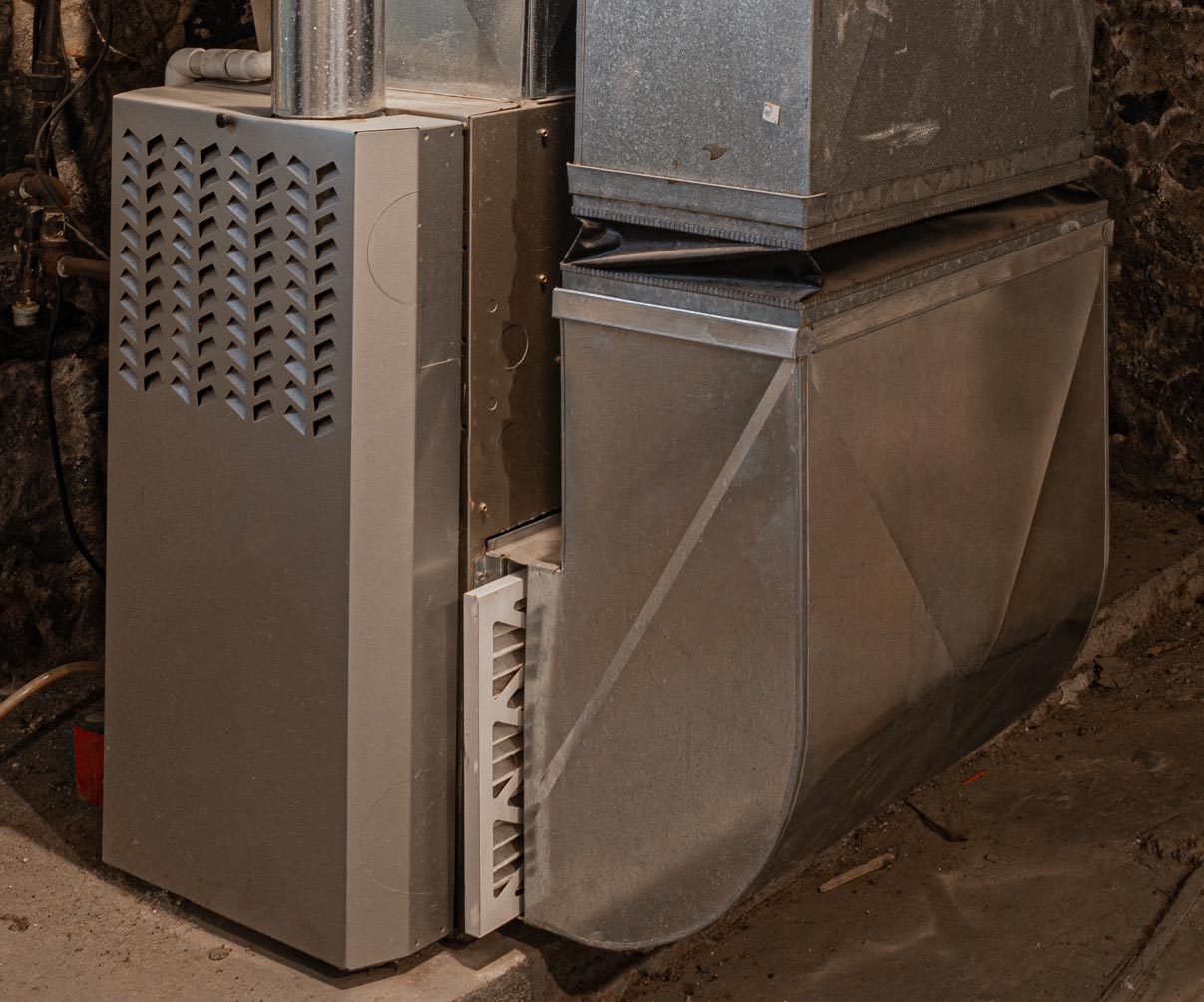
To fully grasp the concept of heating systems, you must explore the various types available, each with its distinct operational methods, efficiencies, and potential drawbacks. Let’s start with the most common type: Forced Air Systems. They utilize a furnace to heat air distributed throughout your home via ductwork. They’re efficient and can be powered by natural gas, electricity, oil, or propane.
Next, there’s the Radiant Heat System. In this type, heated water or electricity flows through tubes installed on your floors or walls, radiating warmth directly into your living spaces. It’s known for providing uniform heating and reducing airborne allergens.
Then, we have the Hydronic Heating System, which uses heated water circulated through radiators or baseboard heaters. It’s energy-efficient and can be zoned for individual room control.
Conversely, heat pumps extract heat from the outside air or ground and transfer it inside. They’re highly efficient but may not work well in extremely cold climates.
Lastly, consider the Steam Radiator System, in which water is heated in a boiler and then turned into steam that is sent to radiators. It’s a classic type, but it can be less efficient and slower to heat up.
Understanding these systems is your first step toward making an informed choice.
Assessing Your Home’s Size
Once you’ve acquainted yourself with the different types of heating systems, it is crucial to reflect on your home’s size, as it can significantly affect your heating needs and system selection. You need to assess the total square footage, the layout, insulation levels, and the number of rooms and floors. Here’s why.
The total square footage of your home helps determine the heating capacity needed. Larger homes generally require more robust systems to distribute heat evenly. The layout, too, plays a part. Open floor plans allow for easier heat transfer, while compact, multistory homes may need zoned systems for ideal heat distribution.
Insulation levels also factor into your heating needs. Well-insulated homes trap heat more efficiently, reducing the demand on the heating system. Contrarily, poorly insulated homes leak heat, requiring a more powerful system to maintain comfort.
Lastly, the number of rooms and floors matters. More rooms and floors mean more areas to heat, therefore necessitating a system with higher capacity.
In a nutshell, understanding your home’s dimensions, layout, insulation status, and room count is pivotal in selecting a heating system that’s energy-efficient and cost-effective. This assessment should be your starting point when considering your heating options.
Climate Considerations
After sizing up your home’s heating requirements, you should consider your local climate, as it can significantly impact the type of heating system that will work best for you. The climate determines the intensity of heating required and the type of heat distribution system that will be most efficient. For instance, in colder climates, you’ll need a system with a higher heat output, and radiant heating systems might be more practical than forced air systems due to their ability to retain heat longer.
On the other hand, in milder climates, a lower capacity system will suffice, and the choice between radiant and forced air heating might depend more on personal preference or other factors like installation cost or maintenance requirements.
It’s also essential to consider humidity levels. In humid areas, the heating system should be able to reduce excess moisture to prevent the growth of mold and mildew. Conversely, you may need a system with built-in humidity control in dry climates to prevent overly dry indoor air.
Energy Efficiency Matters
While pondering your climate’s impact on your heating choices, it’s equally important to evaluate the energy efficiency of potential systems. Energy efficiency, simply put, is the ratio of sound heat output to the total energy input. Fundamentally, it’s how well your system can convert energy into heat.
You’ll want to contemplate systems with high Annual Fuel Utilization Efficiency (AFUE) ratings. AFUE measures how effectively a system converts energy into heat over the course of a typical year. The higher the AFUE, the more efficient the system is.
Energy Star-rated systems are another good bet. These appliances meet the strict standards of the U.S. Environmental Protection Agency and the Department of Energy. They’re designed to save energy without sacrificing features or functionality.
But it’s not just about the system’s efficiency rating. You need to consider the size and insulation of your home and your personal comfort preferences. A system that’s too large or too small for your house won’t operate efficiently, no matter its rating. It’s about finding the right balance – an energy-efficient system that suits your needs.
Costs and Long-Term Investments
Considering energy efficiency considerations, it’s also essential to factor in the costs and potential long-term investments associated with various heating systems. Understanding the financial implications can help you make an informed decision that aligns with your budget and long-term needs.
Initial purchase and installation costs are critical, with systems like geothermal and solar heat pumps requiring higher upfront investment. However, you should also consider the ongoing operational costs, such as maintenance and energy bills. Although expensive to install, some systems offer significant savings in the long run due to lower energy consumption.
The potential for long-term investment also comes into play. Some systems, like solar panels or geothermal pumps, can increase the value of your property. Additionally, you may be eligible for federal or state tax credits for installing energy-efficient heating systems, which can offset some of the initial costs.
Evaluating System Lifespan
Beyond the financial considerations, it is crucial to evaluate the lifespan of various heating systems before deciding. The lifespan of a heating system is integral to its value, factoring into the total cost of ownership. While some systems may have a higher upfront cost, a longer lifespan can offset this, making it a more economical choice in the long run.
When examining a system’s lifespan, several factors must be considered. First, the quality of the system’s components is a key determinant of its durability. High-grade materials can withstand wear and tear, reducing the need for frequent repairs or replacements. In addition, the technology used in the system plays a role. Systems that incorporate advanced technologies tend to last longer as they’re designed to optimize performance and withstand operational stresses.
Lastly, the manufacturer’s reputation and warranty offer are significant factors. Reputable manufacturers often produce durable systems and provide warranties that prove their confidence in the system’s longevity. Ultimately, while evaluating the lifespan of a heating system may seem intimidating, it is a critical step in making an informed purchase.
Safety Factors to Consider
After evaluating the lifespan of various heating systems, it’s important to consider the safety aspects of your potential choices. Safety should be a paramount concern as you endeavor to serve others.
Firstly, the safety mechanisms embedded in the system should be considered. Look for features such as automatic shutoffs, which turn off the system in case of malfunction, and thermostats that prevent overheating. Check if the system has a safety certification from a recognized organization like Underwriters Laboratories (UL).
Secondly, the risk of carbon monoxide (CO) emissions should be assessed. CO is a colorless, odorless gas; prolonged exposure can lead to serious health issues. Ascertain that the heating system has an effective venting system and consider pairing it with a CO detector for added security.
Lastly, think about the system’s burn risk. If the system gets too hot to touch, it could cause burns, especially to children and pets. Opt for systems with cool-to-touch exteriors and safety guards.
Pros and Cons of Popular Systems
Let’s explore the advantages and disadvantages of some widely used heating systems to help you make an informed decision.
Firstly, forced air systems are popular because they can provide both heating and cooling. They’re efficient and can filter air, improving indoor air quality. However, they can distribute allergens, require ductwork, and be noisy.
Secondly, radiant heating, often installed under floors, provides consistent warmth and operates silently. However, it takes longer to heat a room, and installation can be expensive and disruptive.
Hydronic heating systems are efficient, providing heat through radiators. They’re quiet, don’t spread dust and allergens, and offer zone control. The downside is that they don’t provide cooling and can require extensive plumbing work.
Lastly, heat pumps are energy-efficient and provide both heating and cooling. They’re ideal for mild climates, but their effectiveness decreases in extreme cold. They can also be expensive to install and may require backup heat sources.
In short, when choosing a system, consider your climate, budget, and specific needs. Each system has strengths and weaknesses, so it’s essential to weigh these factors carefully. Making this decision isn’t easy, but being informed will certainly help.
Professional Installation Vs. DIY
While considering the type of heating system best suited for your needs, it is essential to weigh the benefits and drawbacks of professional installation versus a do-it-yourself approach.
Opting for a professional installation guarantees that your heating system will be installed correctly, maximizing efficiency while adhering to safety standards. Professionals are equipped with the right tools and knowledge to guarantee a job well done. They’re also insured, meaning any damages during installation are covered. However, this service comes with a cost, which can be hefty depending on the system’s complexity.
On the other hand, choosing to do it yourself can save on installation costs. It allows you to work on your own timeline and gain valuable knowledge about your home’s heating system. However, the risks are significant. Without proper training and tools, you could inadvertently damage the system or your home, and insurance won’t cover these repairs.
Maintenance and Repair Considerations
Have you considered the ongoing maintenance and repair needs of your chosen heating system? The initial outlay is not the only factor; you should also consider the long-term costs of keeping your system running efficiently.
Gas and oil furnaces typically require annual servicing. This includes checking the heat exchanger for cracks, inspecting the flue system for leaks, cleaning and adjusting the burner, and lubricating the blower motor. Electric heat pumps, on the other hand, need bi-annual servicing. This includes checking the refrigerant level, examining the ductwork for air leaks, and cleaning the evaporator and condenser coils.
Consider the availability and cost of spare parts for your chosen system. Some brands may have hard-to-find or expensive parts, leading to higher repair costs. Also, ask about the warranty. It’s worth paying a little more upfront for a system with a thorough, long-term warranty covering parts and labor.
Lastly, consider who will be doing the repairs. If it’s a complex system, you’ll need a skilled technician who may charge more than a general handyman. In short, the perfect heating system suits your budget not just today but also in the long run.
Conclusion
Choosing the perfect heating system isn’t simply about picking the first option that catches your eye. It’s about understanding your home’s needs and climate conditions, weighing costs and energy efficiency, and considering safety and maintenance implications. Don’t discount the value of professional installation, but also consider DIY options if budget is a concern. Your perfect heating system is out there – it just takes a little analytical thinking to find it.