Imagine driving your car 20,000 miles without ever changing the oil. Sounds like a recipe for disaster, right? That’s precisely what you do if you’re neglecting your furnace maintenance. As a homeowner, it’s crucial to understand that your furnace, much like your car, requires regular tune-ups to keep it running smoothly and efficiently. From replacing your furnace filter frequently to being on the lookout for common furnace issues, there are various ways to keep your furnace in top shape. But why does this matter, and how can you go about it? Let’s explore together.
Understanding Your Furnace Basics
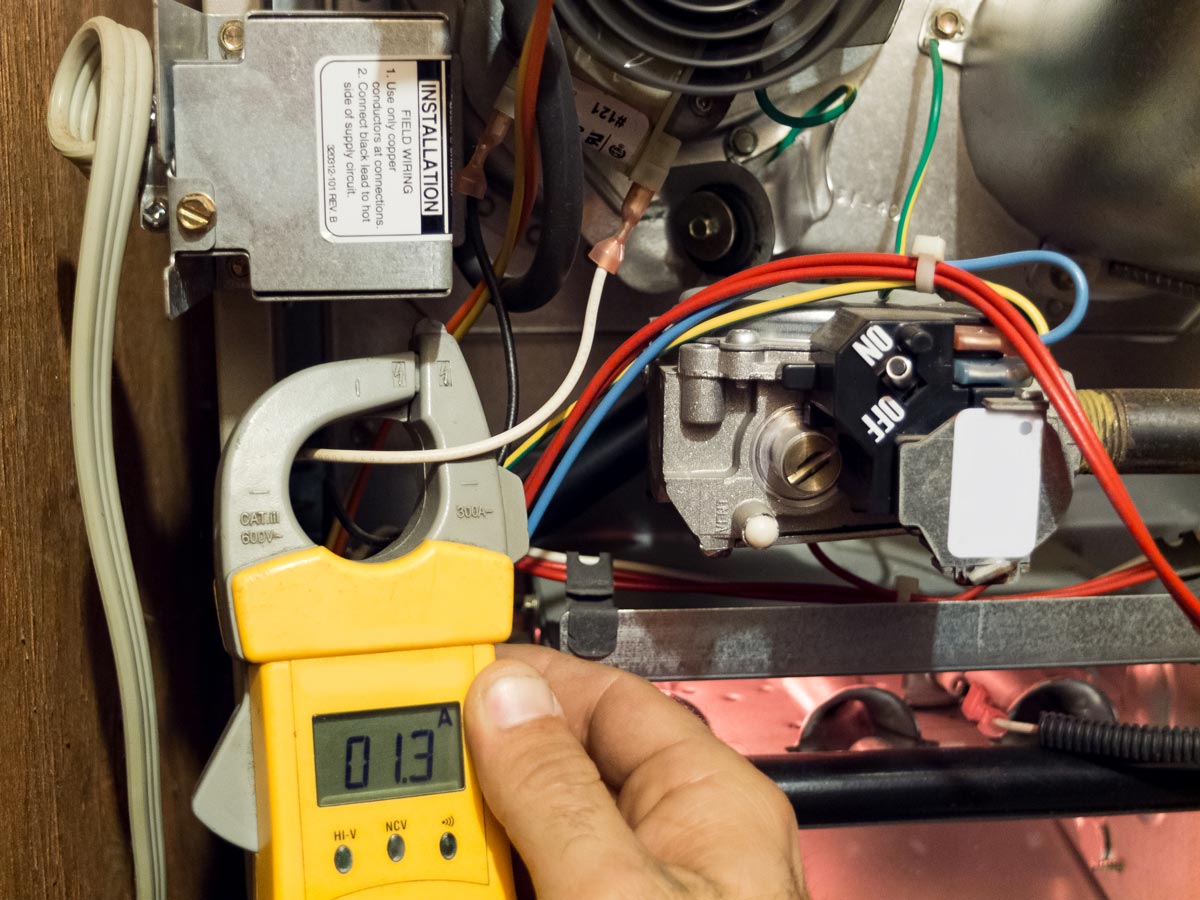
Before diving into maintenance tips, you must grasp the basic workings of your furnace to guarantee effective and safe upkeep. Your furnace is an intricate system that converts fuel into heat by combusting it and circulating warm air throughout your home. It comprises several key components: the thermostat, the burner, the heat exchanger, the blower, and the flue.
The thermostat is your control point. When the temperature in your home drops below the set level, it signals the furnace to turn on. The burner ignites the fuel (natural gas, propane, or oil), creating a flame. The heat exchanger absorbs this heat and warms up the air around it. The blower propels this warmed air into your home’s ductwork, distributing it throughout your living spaces. Finally, the flue vents out the combustion gases safely outside your home.
Understanding these components and how they work together is vital. It’s not just about keeping your home warm. It’s about maximizing your furnace’s efficiency, ensuring your safety, and contributing to a healthier, more comfortable living environment for everyone.
Importance of Regular Furnace Maintenance
Regular furnace maintenance guarantees the longevity of your system, is essential for maintaining energy efficiency, and safeguards your home from potential hazards. But how does it work?
Regular upkeep helps prevent the build-up of dust and debris, which can hinder your furnace’s performance and cause it to work harder than necessary. This increases your energy bills and puts unnecessary wear and tear on your system, potentially shortening its lifespan.
Moreover, routine inspections can allow you to spot minor issues before they escalate into major, costly repairs. A professional technician can identify and address problems such as leaks, cracks, or blockages you might overlook. This proactive approach saves you money in the long run and provides peace of mind knowing your furnace is in good working order.
Lastly, regular maintenance is key to maintaining a safe home environment. A malfunctioning furnace can lead to various hazards, including carbon monoxide leaks or fires. By keeping your furnace in top shape, you’re not just preserving your investment but also protecting your loved ones and your property.
DIY Furnace Cleaning Techniques
Now, let’s explore some effective DIY furnace cleaning techniques that you can employ to maintain your system’s performance and longevity. First, always begin by turning off the furnace, including the gas supply, for safety reasons. Then, remove the door to the combustion chamber and vacuum the inside. You’ll want to use a long nozzle to reach those hard-to-clean areas.
Next, focus on the blower compartment. It’s a prime spot for dust accumulation, which can reduce your furnace’s efficiency. Use your vacuum to remove as much dust as possible, but be gentle; you don’t want to damage any components.
Another important area to clean is the furnace filter. A clogged filter can cause your furnace to work overtime, leading to higher energy bills and potential damage. Check your filter monthly and replace it as needed.
Lastly, don’t forget to clean the furnace flame sensor. A dirty sensor can cause the furnace to shut off unnecessarily. Use a soft cloth to clean the sensor gently.
Recognizing Common Furnace Issues
While DIY cleaning can significantly enhance your furnace’s performance, it’s equally important to recognize common furnace issues that might require professional attention. As a homeowner, your keen observation can distinguish between a minor fix and a major repair.
Here are three common issues you should be aware of:
- Unusual noises: Furnaces usually operate quietly. If yours is making unusual noises, it could indicate a mechanical problem. Don’t ignore this; get a professional to check it out.
- Inadequate heat: If you constantly turn up the thermostat but still don’t feel warm enough, your furnace might not be functioning efficiently. This could be due to various reasons, such as a faulty thermostat or an issue with the furnace’s combustion process.
- Frequent cycling: If your furnace constantly turns on and off, it might struggle to maintain the desired temperature. This could point to a problem with the thermostat, the air filter, or the furnace’s blower motor.
The Role of a Furnace Filter
Understanding the role of your furnace filter is vital to guarantee the efficient functioning of your heating system. This seemingly insignificant component serves three essential purposes. First, it keeps dust and dirt from entering your furnace, which can cause significant damage. Second, it ensures that the air circulating in your home is clean and free from airborne particles, including allergens and bacteria, promoting a healthier living environment. Finally, a clean, well-maintained filter enhances your furnace’s performance, contributing to energy efficiency and lower utility bills.
However, a neglected filter can become a liability. As it traps particles, it gradually becomes clogged, forcing your furnace to work harder. This leads to higher energy consumption and increases the risk of breakdowns. As a result, it is crucial to replace or clean your furnace filter regularly, typically every one to three months, depending on the type of filter and the air quality in your home.
Scheduling Professional Furnace Inspections
Regularly scheduling professional furnace inspections is essential in maintaining your heating system’s efficiency and longevity. A professional inspection offers a detailed examination of your system, ensuring it is in peak working condition. It isn’t just about keeping your home warm; it’s about serving your family’s needs and ensuring their safety and comfort.
An extensive furnace inspection includes:
- Checking the system’s operation involves verifying that the thermostat and controls are functioning correctly. It also includes checking for fuel leaks and testing the system’s starting capabilities.
- Inspecting the furnace components: The inspector will examine the heat exchanger, blower, and ignition system for any signs of wear or damage.
- Cleaning and adjusting as necessary: Your inspector will clean the components, adjust the burner, and replace worn parts.
Energy-Efficient Furnace Tips
Beyond professional inspections and routine upkeep, optimizing your furnace for energy efficiency can significantly reduce energy consumption and lower utility bills. It’s not just about being eco-friendly; it’s about being smart with your resources and money.
Firstly, verify that you’re using a high-efficiency furnace. These models are designed to use less energy while providing the same heat. They’re a sound investment that can pay off in the long run.
Secondly, don’t overlook the importance of proper insulation. Heat loss through walls and windows can make your furnace work overtime. Invest in quality insulation to keep the heat where it should be – inside your home.
Next, consider using programmable thermostats. These allow you to set specific temperatures for different times of the day, reducing unnecessary heating when you’re not home.
Furnace Safety Precautions
When operating your furnace, safety should never be overlooked. Adhering to a few key precautions can prevent potential hazards and guarantee efficient functioning. Missteps in furnace operation can lead to fire outbreaks, carbon monoxide poisoning, and other unforeseen dangers. But by following a few simple safety guidelines, you’ll not only guarantee a safer environment but also extend the life of your furnace.
Here are some indispensable furnace safety precautions:
- Regularly check your furnace’s filters and replace them as required. Dirty filters can overwork the furnace, potentially causing it to overheat and become a fire hazard.
- Keep the area around your furnace clear. Do not store flammable materials, such as paint cans or paper products, near the furnace.
- Install carbon monoxide detectors near your furnace and central locations throughout your home. This colorless, odorless gas can cause serious health issues.
Dealing With Furnace Breakdowns
Unexpectedly, dealing with a furnace breakdown can be an intimidating experience, but with a bit of knowledge and preparation, you’ll be better equipped to handle such situations effectively. Don’t panic when your furnace breaks down. Instead, keep calm and follow these steps to deal with the issue.
First, check if your furnace has power. It might seem basic, but sometimes the issue is as simple as a tripped breaker or a disconnected power cord. If power isn’t the issue, examine the thermostat. Make sure it’s turned on and set to heat. It’s also a good idea to replace the batteries if they haven’t been changed recently.
If the furnace still isn’t working, inspect the pilot light. If it’s out, you’ll need to relight it. If you’re uncomfortable doing this yourself, don’t hesitate to call a professional. They’re trained to handle such situations safely and efficiently.
When to Consider Furnace Replacement
Despite your best efforts in maintaining your furnace, there comes a time when you’ll have to contemplate replacing it. Recognizing the tell-tale signs that your furnace needs replacement can save you from unexpected breakdowns and costly repairs.
When considering furnace replacement, you should be on the lookout for:
- Age of the Furnace: Most furnaces have a lifespan of 15-20 years. If your furnace is close to this age or older, it’s time to consider a replacement.
- Increased Energy Bills: If your energy bills are consistently high despite regular maintenance, it could indicate that your furnace is no longer efficient and needs replacement.
- Frequent Repairs: If your furnace requires frequent repairs, it may be more cost-effective to replace it rather than continually paying for fixes.
Conclusion
According to Energy Star, regularly maintaining your furnace can save you 10% to 20% on energy bills. Don’t overlook the importance of simple tasks like cleaning and filter replacement. Ignoring common issues might lead to more significant problems down the road. Remember, your furnace isn’t just about keeping warm—it’s also about safety and efficiency. Be proactive to guarantee a cozy and cost-effective winter season.