
Key Points
- A well-maintained heat pump can run up to 25% more efficiently than a neglected one — and regular tune-ups reduce energy bills by up to 30% over time.
- According to the U.S. Department of Energy, heat pumps that receive regular professional maintenance last significantly longer and consume meaningfully less energy than those that don’t.
- Most heat pump manufacturer warranties require annual professional maintenance — skipping a tune-up can void your warranty and leave you responsible for the full cost of repairs.
- The most critical components checked during a heat pump tune-up are: electrical connections, refrigerant levels, coils, filters, fan and blower assemblies, and safety switches.
- A minor refrigerant leak caught during an annual tune-up costs a fraction of what compressor replacement costs if the leak goes undetected.
- Annual tune-ups also directly improve indoor air quality — technicians clean filters and ducts that accumulate dust, mold, and allergens that circulate through your home.
- Contact our HVAC team to schedule your annual heat pump tune-up today.
A well-maintained heat pump can reduce your energy bills by up to 30% — and an annual tune-up is what makes that possible. It’s surprising how much of a difference regular maintenance makes in both efficiency and system lifespan. Imagine facing a cold night with a malfunctioning heat pump because minor issues went unchecked. An annual tune-up is the most effective step you can take to avoid those scenarios and keep your home comfortable all season long. Here’s what’s at stake — and why it matters.
Prevent Unexpected Breakdowns
Regularly servicing your heat pump prevents unexpected breakdowns and ensures efficient, safe operation year-round.
Electrical components: Loose connections or worn wiring are among the most common causes of heat pump malfunctions — and they can pose fire hazards if left unaddressed. A technician tightens all connections and replaces damaged wiring to confirm the system operates without electrical interruptions.
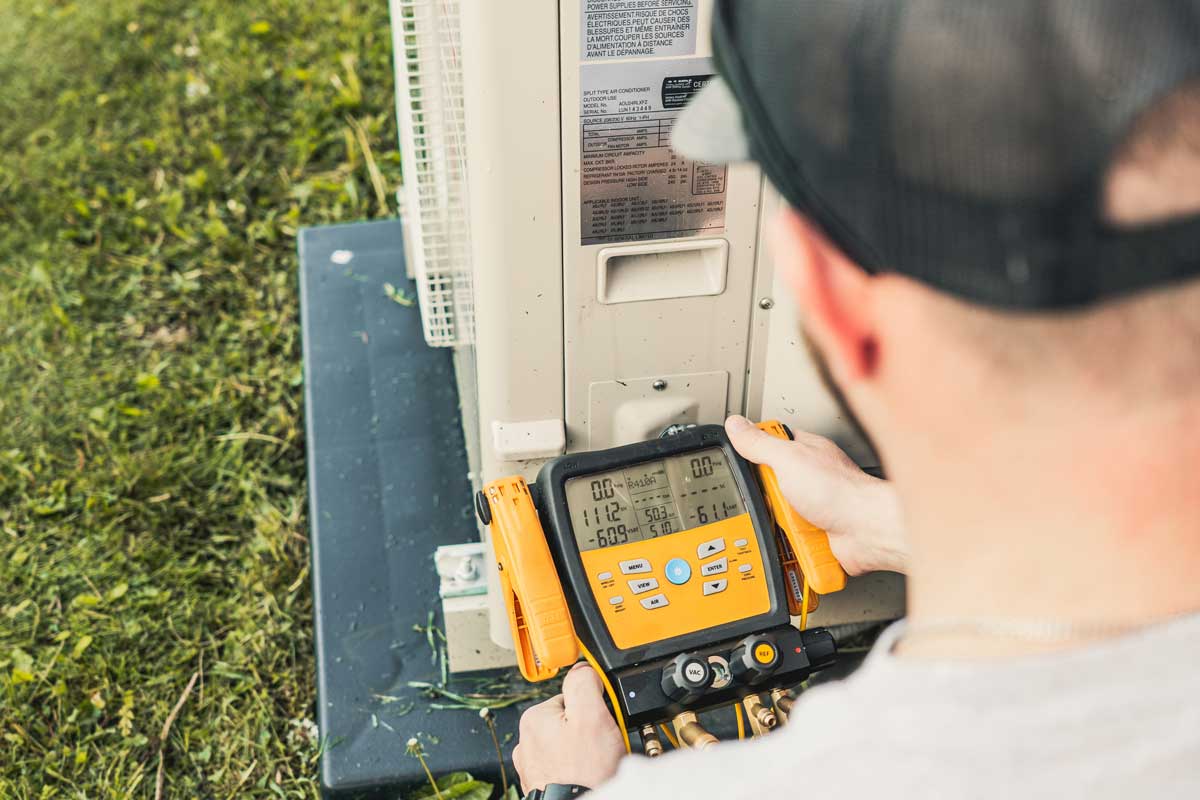
Refrigerant levels: Inadequate refrigerant forces the system to overwork, which leads to compressor failure — one of the most expensive heat pump repairs. A technician uses a pressure gauge to verify levels are within the manufacturer’s specifications and inspects for leaks. Refrigerant leaks also pose health and environmental risks and should be addressed immediately when detected.
Fan and blower assemblies: Dust and debris accumulation obstructs airflow, causing the system to overheat and fail. Cleaning these components thoroughly and lubricating moving parts enhances their performance and reduces wear.
Most unexpected heat pump failures are traceable to issues that would have been caught — and resolved inexpensively — during a routine annual service visit. Schedule your heat pump tune-up before the heating season rather than after a breakdown.
Improve Energy Efficiency
By optimizing your heat pump’s performance through regular maintenance, you can substantially reduce energy consumption and lower utility bills. A well-maintained heat pump can run up to 25% more efficiently than a neglected one.
Key efficiency tasks during a professional tune-up include:
- Clean or replace air filters — clogged filters restrict airflow, forcing the system to work harder and consume more energy
- Inspect and clean the coils — dirt accumulation on evaporator and condenser coils impedes heat transfer, directly reducing efficiency
- Lubricate blower components — proper lubrication ensures optimal airflow and prevents overheating that can lead to mechanical failures
- Calibrate the thermostat — accurate temperature readings prevent unnecessary system cycling and wasted energy
- Check refrigerant levels — an imbalance reduces efficiency and leads to compressor damage over time
- Seal ductwork leaks — unsealed duct leaks allow conditioned air to escape before it reaches living spaces, wasting energy on every cycle
According to the U.S. Department of Energy, properly maintained heat pumps are significantly more efficient than neglected systems — and the energy savings compound year over year.
Extend System Lifespan
To extend your heat pump’s lifespan, all components need to be routinely inspected and serviced to prevent the kind of accumulated wear and tear that leads to premature failure.
Annual professional inspections examine the compressor, check electrical connections, lubricate moving parts, and verify that all components function within manufacturer specifications. Confirming these elements work properly minimizes system stress — reducing the likelihood of costly breakdowns over the unit’s operational life.
Refrigerant maintenance is particularly important for longevity. Low refrigerant causes the compressor to overheat, which can lead to full system failure. A professional detects leaks, recharges the system, and confirms peak operation before the issue escalates.
Coil cleaning is equally critical. Dirty condenser and evaporator coils decrease heat transfer efficiency, forcing the system to run longer on every cycle — accelerating wear on every component. Regular coil inspection and cleaning by a technician catches this issue early and preserves system performance over the long term.
Optimize Heating Performance
An annual tune-up ensures your heat pump operates at peak heating efficiency while meeting safety standards throughout the season.
- Thermostat calibration — verifying the thermostat reads temperatures correctly prevents the system from overheating or underperforming relative to its actual setpoint
- Electrical connection inspection — loose or frayed wires cause system failures and potential hazards; tightening and securing connections enhances both performance and safety
- Motor and bearing lubrication — reducing friction in moving parts prevents overheating and maintains efficiency
- Fan blade inspection — damage or debris on fan blades impedes airflow and directly compromises heating output
- Filter replacement — clogged filters restrict airflow and force the system to work harder, reducing heating efficiency on every cycle
- Condensate drain inspection — blockages in the condensate drain can cause water damage and trigger system shutdowns
Each of these tasks individually makes a measurable difference in heating output — together, they ensure the system performs at the level it was designed for.
Reduce Energy Bills
Guaranteeing your heat pump operates efficiently optimizes performance and considerably reduces your energy bills by minimizing wasted energy. A well-maintained heat pump runs smoothly, guaranteeing it uses the least amount of energy necessary to maintain your desired indoor temperature.
During an annual tune-up, a technician inspects and cleans components such as filters, coils, and fans. Clogged filters and dirty coils force your system to work harder, consuming more energy and raising costs.
Technicians also check for refrigerant levels and leaks. Low refrigerant levels can lead to inefficient operation, requiring the system to use more power to produce the same amount of heating or cooling. To avoid this inefficiency, seal any leaks and guarantee proper refrigerant levels.
Additionally, they’ll examine the thermostat settings and calibrate them if necessary. Incorrect settings can result in system overuse, leading to higher energy consumption.
Safety is paramount during maintenance. Technicians will inspect electrical connections, guaranteeing they’re tight and corrosion-free. Loose connections can cause arcing, a fire hazard, and also increase energy usage.
Enhance Indoor Air Quality
Regularly tuning up your heat pump greatly enhances indoor air quality by guaranteeing that air filters and ducts are clean and contaminant-free.
During a tune-up, technicians inspect and replace filters that trap dust, pollen, and other airborne particles. Clean filters are essential for maintaining a healthy home environment. Dirty filters reduce air quality and force your system to work harder, leading to mechanical issues and decreased efficiency.
Additionally, the technicians will examine and clean the ducts. Over time, ducts can accumulate dust, mold, and other pollutants that can circulate through your home. By confirming your clean ducts, you greatly reduce the risk of respiratory issues and allergies caused by airborne pollutants. This is especially important if anyone in your household has asthma or other respiratory conditions.
Furthermore, a tune-up allows for inspecting other components, such as coils and blower fans, which can affect air quality if neglected. Properly maintained components guarantee that your heat pump operates smoothly and safely without circulating harmful substances.
Don’t underestimate the importance of an annual tune-up for maintaining a safe and healthy indoor environment.
Maintain Manufacturer Warranty
Regular tune-ups improve air quality and play an essential role in keeping your heat pump’s manufacturer warranty valid. Most manufacturers require annual maintenance to honor the warranty. Skipping these vital check-ups could lead to denied claims, leaving you responsible for costly repairs.
Adhering to the manufacturer’s maintenance schedule guarantees that your heat pump operates efficiently and safely, reducing the likelihood of unexpected malfunctions.
During a tune-up, a certified technician examines important components such as the compressor, evaporator coils, and electrical connections. They clean, lubricate, and test these parts, confirming they meet the manufacturer’s specifications.
This meticulous care prevents wear and tear that could void your warranty. Additionally, technicians document their findings and services performed, providing you with a record that proves compliance with warranty requirements.
Address Minor Issues Early
One of the most financially valuable aspects of an annual heat pump tune-up is identifying small problems before they escalate into expensive failures.
During a service visit, a technician can spot issues like worn belts, loose electrical connections, or minor refrigerant leaks — problems that are quick and inexpensive to resolve when caught early, but can cause compressor failure or system shutdown if left unaddressed.
Consider the cost difference:
- A loose electrical connection addressed during a tune-up: a few minutes of labor
- The same connection causing an electrical arc, damaging control boards or creating a fire hazard: potentially hundreds to thousands of dollars
- A minor refrigerant leak fixed during a tune-up: a service charge
- The same leak causing compressor overheating and failure: $1,000–$2,500 or more for compressor replacement
Consistent annual maintenance is the most cost-effective protection available against these escalation scenarios.
Ensure Safe Operation
Safe heat pump operation depends on the reliable functioning of several components that aren’t visible during normal use — making professional inspection the only reliable way to confirm they’re working correctly.
Key safety checks during a professional tune-up:
- Safety switches — prevent overheating by shutting the system down when temperatures exceed safe operating levels; regular testing confirms they’re responsive and effective
- Pressure sensors — monitor refrigerant levels and maintain correct operating pressure to prevent compressor damage; malfunctioning sensors can lead to leaks or system failure
- Electrical connections — loose or corroded connections can cause electrical shorts or arcing, both fire hazards; regular inspection and tightening ensures stable, safe electrical flow
Consider these essential tasks during your heat pump’s tune-up:
- Check and test all safety switches for responsiveness
- Inspect pressure sensors for accuracy and wear
- Examine electrical connections for corrosion or looseness
- Confirm all safety mechanisms are functioning as designed
Professional technicians are trained to test and verify each of these systems — and to recognize warning signs that a component is approaching failure.
Prepare for Seasonal Changes
Completing the safety checks prepares your heat pump for the next step: seasonal readiness — ensuring the system is fully optimized for the temperature demands ahead.
Thermostat settings: Confirm the thermostat is programmed correctly for anticipated temperature changes. Verify the system switches correctly between heating and cooling modes and that calibration is accurate.
Outdoor unit inspection: Clear away any accumulated debris — leaves, dirt, and plant growth that may have collected around the unit during the previous season. Confirm the unit is level to prevent vibration-related wear. Examine and clean the condenser coils using a gentle brush or vacuum.
Air filters: Replace any filters that are dirty or at the end of their service interval. Clogged filters heading into a new heating or cooling season reduce efficiency from day one.
Ductwork: Inspect for leaks or blockages that could impair air distribution throughout your home.
Refrigerant levels: Verify levels meet the manufacturer’s specifications before peak demand begins. Low refrigerant heading into a demanding season accelerates wear on the compressor. Contact our team to schedule seasonal preparation service before the heating season gets underway.
Conclusion
With an annual heat pump tune-up, you’ll guarantee unexpected breakdowns, improve energy efficiency, and extend your system’s lifespan.
By addressing minor issues early, you can optimize heating performance, reduce energy bills, and maintain your manufacturer’s warranty.
You’ll ensure safe operation and prepare for seasonal changes, protecting your investment.
Regular maintenance isn’t just a task; it’s a commitment to your home’s comfort and safety.
Knowing your heat pump is ready for the season ahead, you’ll enjoy peace of mind.