
Newton is really thirteen villages stitched together, and each one brings its own mix of grand older estates, mid century additions, and everything in between. A house in Newton Centre might have three separate additions built across three different decades, each with its own heating quirks layered on top of the last. Back Bay Mechanical AC Repair & Heating has spent years untangling exactly that kind of complexity, matching equipment and zoning to homes that were rarely built with a single, unified HVAC plan in mind.
Watch for these signs before a small issue turns into a bigger repair.
In a lot of Newton homes, these problems trace back to additions that were never fully integrated into the original heating plan, leaving certain rooms fighting for airflow that the rest of the house gets easily. Mature tree canopy across the city adds another layer, since falling leaves and small branches can work their way into outdoor units tucked along the side of a house or under a canopy of oaks and maples.
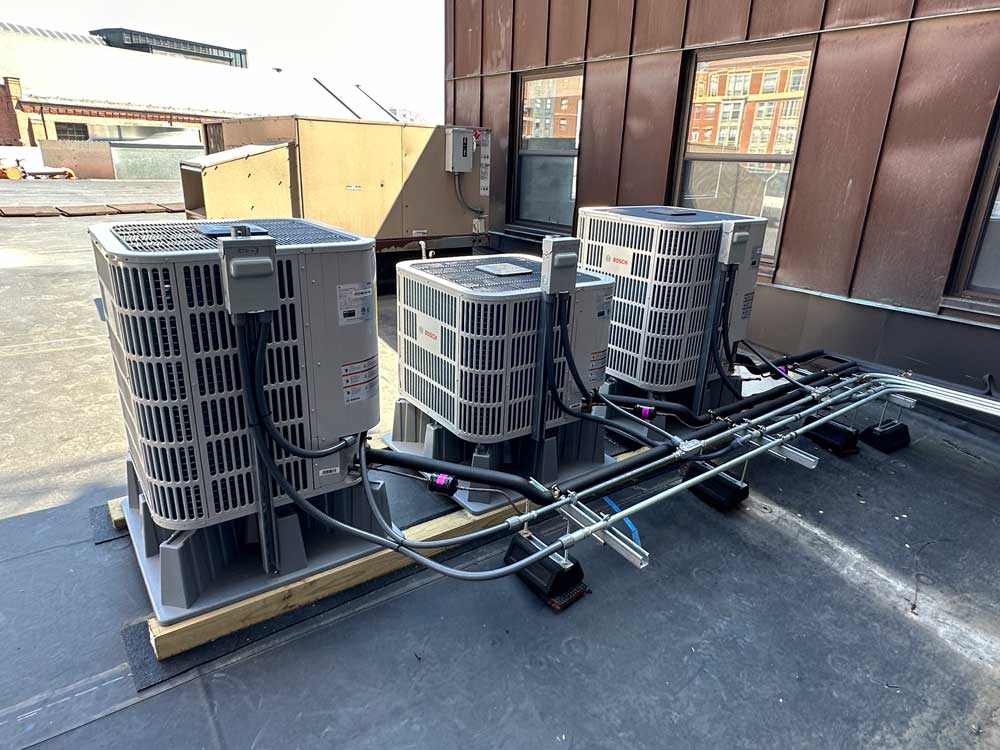
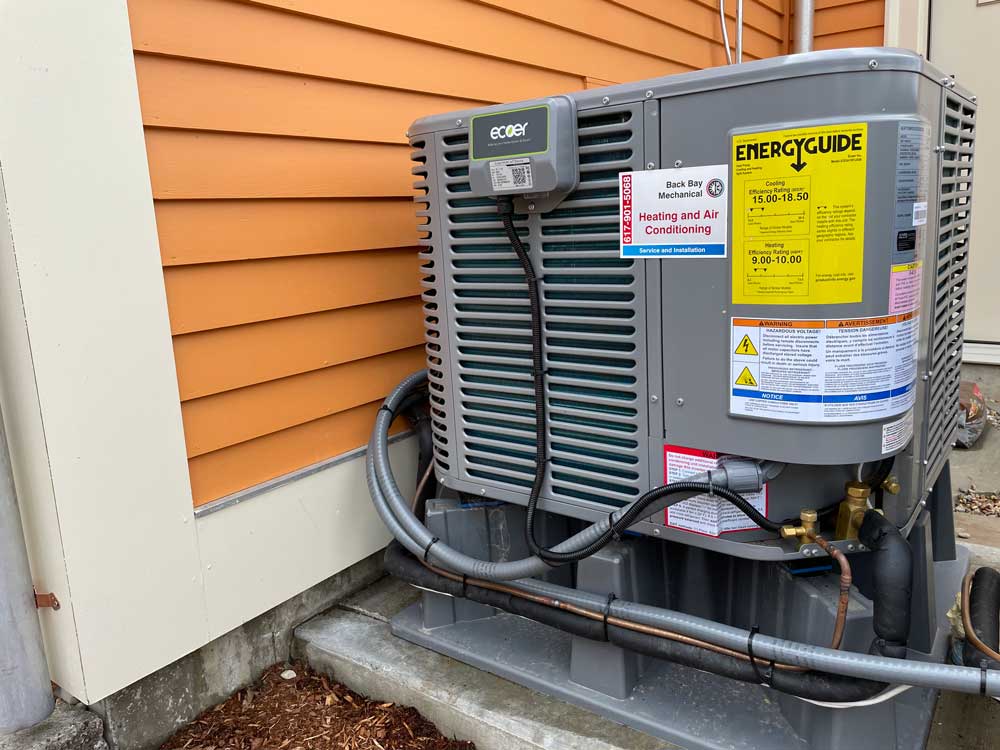
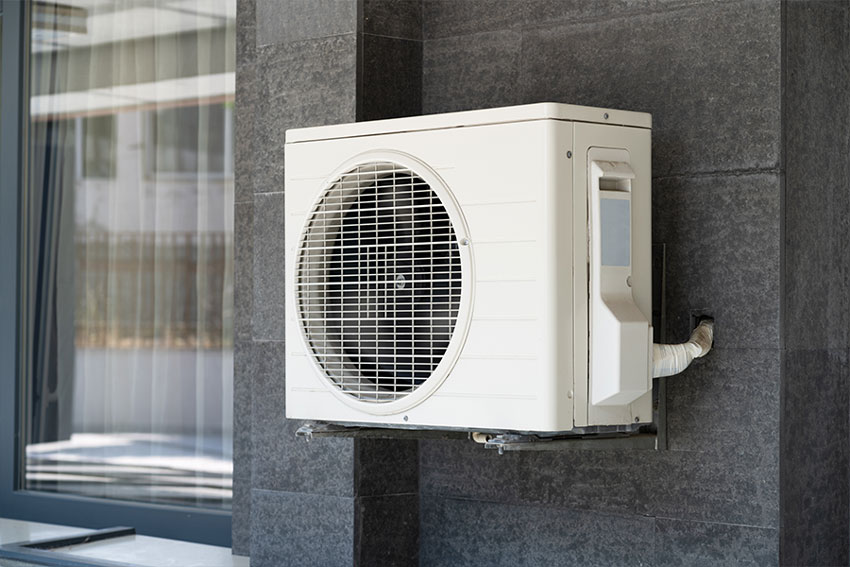
Larger lots and older, multi-section homes are the norm across most of Newton’s villages, which opens up more installation options than tighter city lots typically allow. For a lot of these properties, the right answer is a properly zoned central system that treats an original 1920s section differently from a 1990s addition, so each part of the house gets conditioned air suited to its actual insulation and exposure. Homes with ornate original trim or plaster ceilings often do better with ductless heat pumps in specific rooms rather than cutting new chases through finished woodwork.
We also handle UV light installations for Newton homeowners focused on indoor air quality, which pairs naturally with the multi-zone systems common here since better filtration at each zone keeps the whole house more consistent. Every project starts with mapping out how a home actually grew over the years, since assuming one uniform system will work across additions built decades apart almost always leads to uneven comfort down the road.
Newton’s tree lined streets are part of what makes the city beautiful, but they also mean outdoor units take a beating during storms. A strong wind event can send branches down onto a condenser or heat pump, and in neighborhoods like Waban and Chestnut Hill where mature trees crowd close to houses, that kind of damage shows up more often than homeowners expect.
Multi-zone systems complicate emergencies too, since a failure in one zone can leave part of a large home without heat while the rest stays comfortable, making the problem easy to underestimate until an entire wing goes cold. Our emergency team is used to working through these layered systems quickly, tracking down exactly which zone or component failed instead of guessing at a fix that only solves part of the problem.
A homeowner named Robert in Newton Centre called us about a section of his house that never seemed to warm up, even though the rest of the home stayed comfortable all winter. His property had grown over the decades through two separate additions, and the heating system had simply been extended room by room rather than properly rezoned.
Our technician mapped out the whole house and found that the newest addition was pulling conditioned air away from the original zone it was tied into. We installed a dedicated zone for that section with its own thermostat, and Robert had even heat throughout the entire house within a day. He mentioned it was the first winter in years that his home office in the back addition actually felt warm without cranking the thermostat for the whole house.
Homes across Newton rarely fit a standard template, so homeowners need a team that can actually work through that complexity. Here is what keeps them calling us village after village.
Whether it is a historic estate in Chestnut Hill or a newer build near Waban, we bring the same level of care to figuring out what each individual home actually needs.
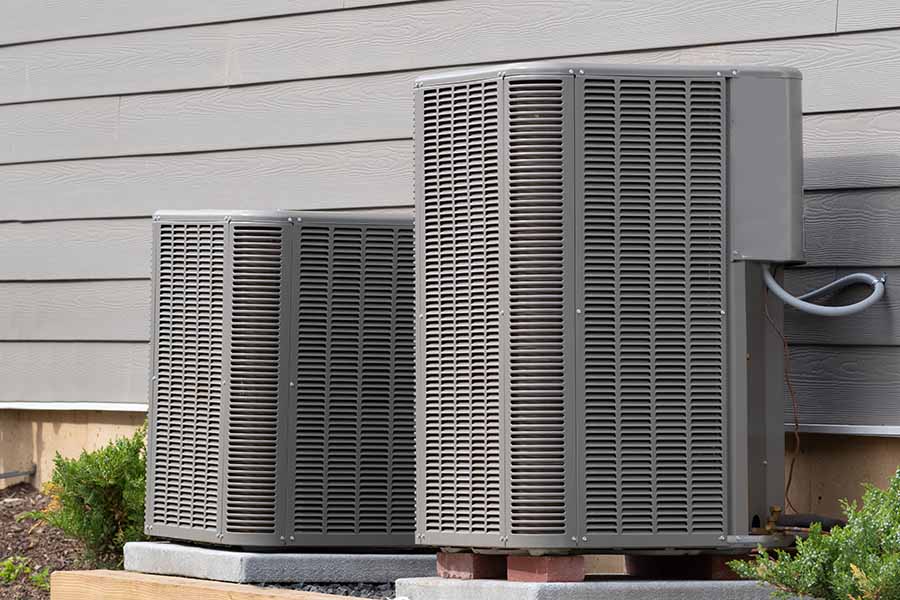
Zoning generally helps homes with additions, since it lets each section be conditioned based on its own layout and exposure.
Falling leaves, pollen, and small debris can restrict airflow around an outdoor unit over time, so units near heavy tree cover benefit from more frequent checks.
Yes, ductless heat pumps are a common solution for historic homes since they avoid cutting into original woodwork or plaster.
Turn the unit off and have it inspected before running it again, since storm damage can affect components in ways that are not always visible.