
Ask anyone who has lived in Lynn for a while and they will tell you the ocean shapes almost everything here, right down to how long an HVAC system lasts. Between the salt air rolling in off the coast and the dense rows of triple-deckers built during the city’s shoe manufacturing days, homes in Lynn put unique demands on heating and cooling equipment that a typical inland installer might not think to plan for. Back Bay Mechanical AC Repair & Heating has serviced everything from oceanfront properties in the Diamond District to inland homes near Lynn Woods, and we size and select equipment with that coastal reality built in from the start.
Salt air is the quiet culprit behind a lot of HVAC complaints in Lynn. It works into metal components over time, and outdoor units closer to the water tend to show wear years before their inland counterparts would.
Here is what that wear usually looks like once it starts affecting performance.
None of this means a system is beyond saving, but the sooner corrosion related wear gets caught, the more likely a simple repair keeps the unit running instead of forcing an early replacement.
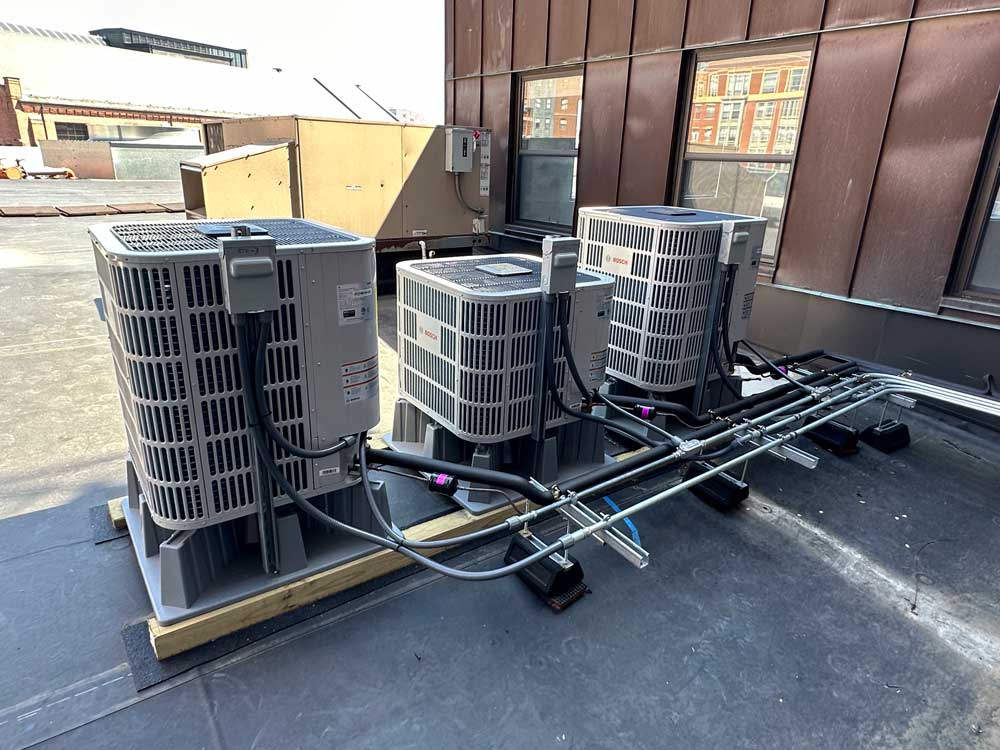
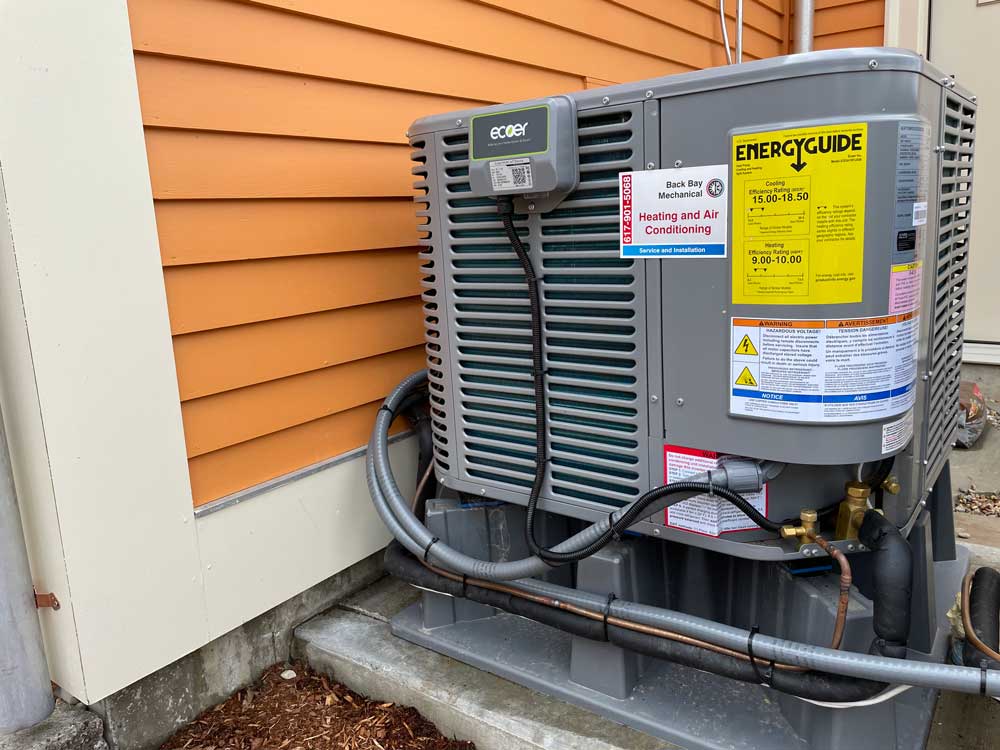
Where a home sits in Lynn changes what kind of installation makes the most sense. Properties along the Diamond District and other stretches close to the water benefit from corrosion resistant coatings and equipment placement that limits direct salt spray exposure, while homes further inland near Lynn Woods deal more with elevation related temperature swings than ocean air. Either way, sizing a system correctly matters even more here, since an oversized unit near the coast tends to short cycle and wear out its components faster under constant salt exposure.
For the city’s many triple-deckers, we also see strong demand for heat pumps that serve individual units without requiring shared ductwork through a whole building. Combined with a UV light system to manage the humidity that coastal air brings indoors, this approach tends to hold up well against both the salt and the dampness that define Lynn’s climate.
Coastal storms hit Lynn harder than most of the surrounding area, and a strong nor’easter can knock out power or push a struggling system past its breaking point in a single night. When that happens in the middle of winter, a home near the water can lose heat fast, especially in older triple-deckers where insulation was never built to handle sustained coastal wind.
Our emergency team treats storm related failures as a priority, since a heating system going down during severe weather is rarely something that can wait until morning. Whether the issue is storm damage to an outdoor unit or a furnace that simply gave out under the added strain, we aim to get help to your door before conditions inside your home turn from uncomfortable to genuinely unsafe.
A homeowner named Denise in Wyoma reached out after noticing her central air system was running constantly without actually cooling her house down. She had lived in her home for years and mentioned that the unit was original to when she moved in, sitting close enough to pick up plenty of salt air over that time.
Our technician found that corrosion had damaged a key component outside, which was forcing the system to run nonstop while barely keeping up. Rather than patch a unit that was already showing its age throughout, we walked Denise through a full AC replacement suited for coastal exposure, and had cool air moving through her house again within a day. She said the difference in how quietly the new system ran was almost as noticeable as the actual temperature change.
Lynn homeowners deal with a climate that is tougher on HVAC equipment than most nearby cities, so experience with coastal conditions matters. Here is why so many of them call us first.
Working in a coastal city like this one means understanding the ocean’s effect on every system we touch, and that understanding is exactly what we bring to every Lynn home.
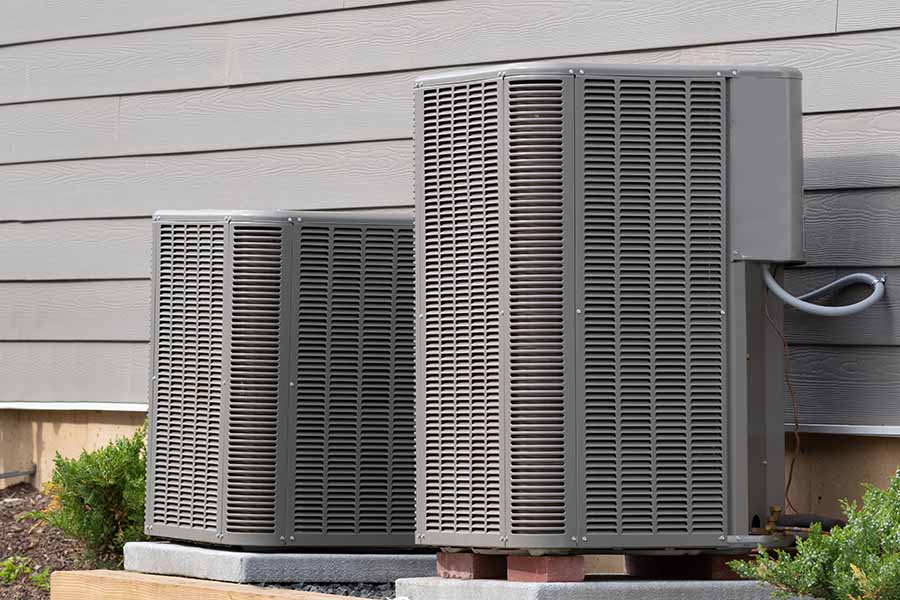
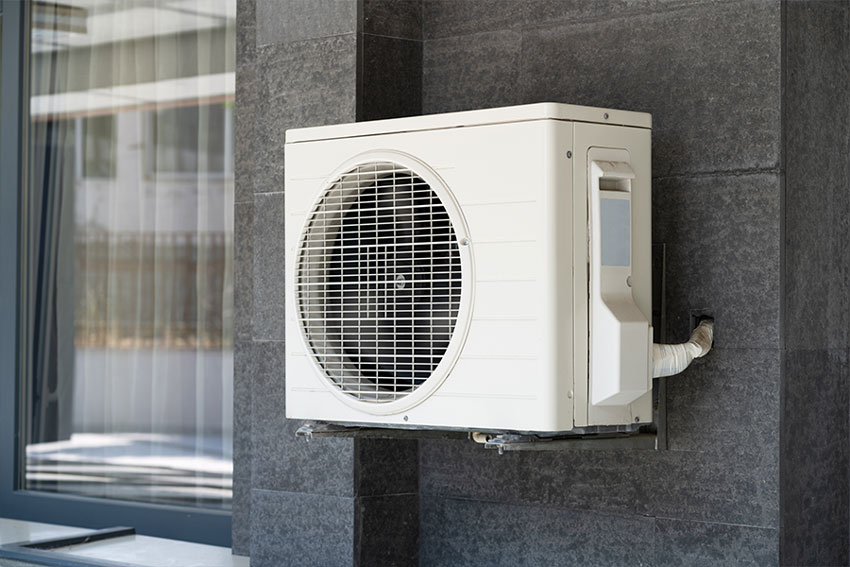
Twice yearly checkups are especially useful in coastal areas, since corrosion related issues are easier to catch early than to repair later.
Older triple-deckers were built before central HVAC was common, so heating was often added unit by unit, which can lead to inconsistent coverage.
Modern heat pumps manage both heating and cooling well, and can help control the indoor humidity that coastal air often brings inside.
Turn the system off if you notice visible damage and call for service, since running a damaged outdoor unit can cause further harm.