
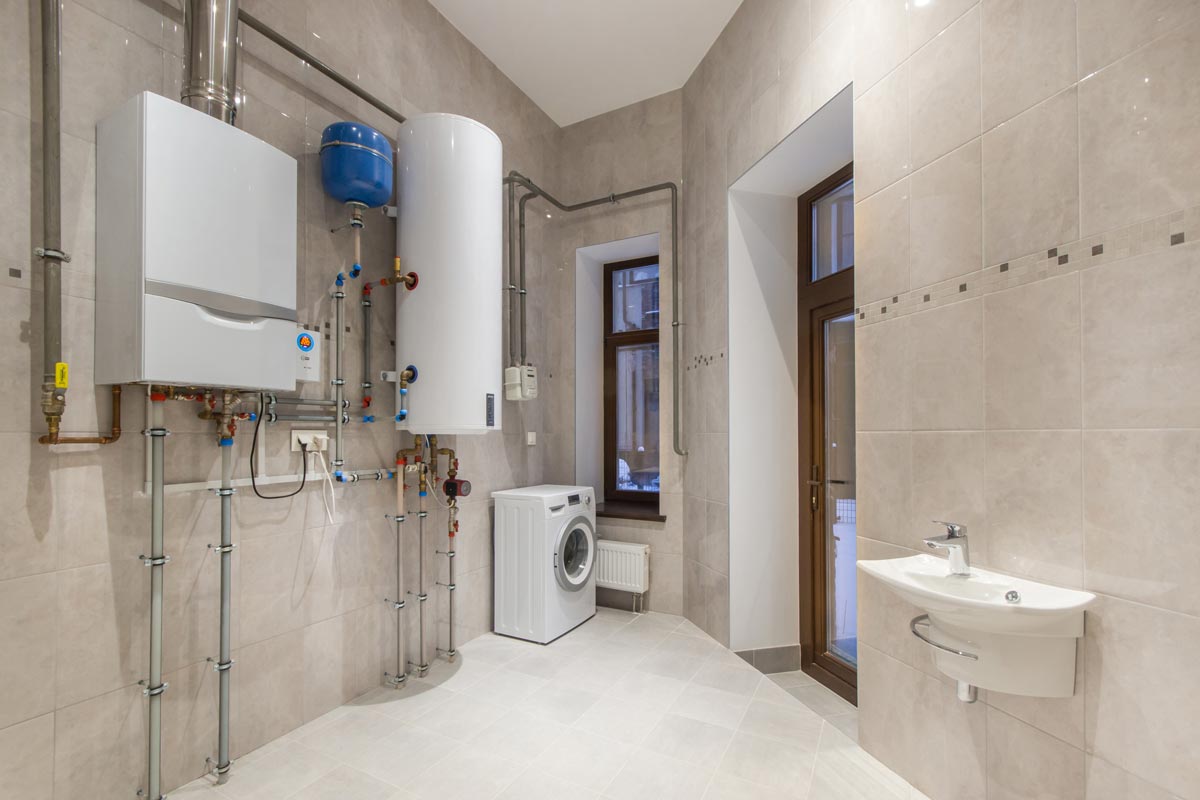
Key Points
- Big efficiency gap: According to the U.S. Department of Energy, older boilers typically run at 56% to 70% efficiency, while modern high-efficiency systems can reach up to 98.5%.
- Smarter technology: Condensing technology and modulation help high-efficiency boilers capture more heat and adjust output to your home’s actual demand.
- Real savings potential: Moving from a 70% to a 95% AFUE boiler can cut fuel use for the same amount of heat by roughly a quarter.
- Incentives have changed: The federal Energy Efficient Home Improvement Credit ended for equipment placed in service after December 31, 2025, and Mass Save no longer offers rebates for gas, oil, or propane boilers except for income-eligible households.
- Maintenance still matters: High-efficiency boilers need annual professional service to keep running at their rated efficiency.
- Consider all options: Depending on your home, a boiler upgrade or a heat pump may be the better long-term fit.
Is it worth the hassle and expense to upgrade to an energy-efficient boiler? A modern high-efficiency boiler can cut fuel waste, lower your heating bills, and improve comfort, and the benefits extend beyond your monthly energy costs. High-efficiency boilers are designed to minimize waste, lower emissions, and deliver steadier heat throughout your home. But that’s just scratching the surface. Want to discover the full range of advantages, along with a few important considerations before you commit to boiler installation? Let’s explore this further.
Understanding Energy-Efficient Boilers
To comprehend energy-efficient boilers, you must first understand that these advanced systems utilize technology to minimize energy consumption and maximize heating performance. They’re not your conventional boilers. These innovative systems employ features such as condensing technology and modulation to optimize their operation. They’re designed to deliver the same heat while using less energy, which is a win-win for you and the environment.
- Condensing technology: This sets these boilers apart. It allows the boiler to extract heat from exhaust gases that would usually be expelled out of the flue, capturing heat that older boilers simply waste. It’s an ingenious way of getting more heat for your buck.
- Modulation: This allows the boiler to adjust its output based on your home’s heating demand. Instead of running at full blast all the time, it’ll scale back when you don’t need as much heat. This keeps your energy consumption in check and your costs down.
Understanding these technologies will help you grasp the benefits of energy-efficient boilers. They’re better for your pocket and the planet. It’s a smart, sustainable choice, and that’s something you can feel good about.
The Rising Cost of Energy
You’re likely feeling the pinch as energy costs continue to rise, making energy-efficient solutions like advanced boilers more essential than ever. Rising energy costs are fueled by factors such as fuel prices, supply and demand, and infrastructure maintenance costs, and in a cold-winter region like Greater Boston, heating is one of the biggest line items on your home energy bill.
The good news is that efficiency upgrades can make a real dent. According to the U.S. Department of Energy, energy efficiency upgrades and a new high-efficiency heating system can often cut your fuel bills and your system’s pollution output in half.
Switching to an energy-efficient boiler is a practical move to tackle this challenge. Modern boilers operate at higher efficiencies, reducing the amount of energy wasted as heat loss. High-efficiency condensing boilers commonly reach 90% efficiency or higher, a significant improvement over older models that typically operate at 56% to 70% efficiency. By upgrading to a more efficient boiler, you’re investing in a solution that helps reduce your energy costs and keeps your home comfortable.
Environmental Impact of Old Boilers
While cutting costs is a major advantage of upgrading to energy-efficient boilers, it’s also essential to consider the substantial environmental impact of sticking with old boilers. With its outdated technology, your old boiler is likely releasing more carbon dioxide (CO2) into the atmosphere than necessary, a major contributor to climate change.
Furthermore, these old units typically operate at 70% efficiency or less, meaning that a considerable portion of the energy you’re paying for is simply wasted. That wasted fuel hurts your wallet and adds unnecessary emissions.
On the other hand, modern boilers operate at efficiencies of 90% or higher, drastically reducing waste and, consequently, greenhouse gas emissions. The Department of Energy estimates that upgrading from 56% to 90% efficiency in an average cold-climate home saves 1.5 tons of CO2 emissions per year with natural gas, or 2.5 tons with oil.
Moreover, many old boilers use pilot lights that run continuously, consuming fuel whether the boiler is heating or not. Newer models use electronic ignition instead, further reducing their environmental footprint.
Cost Savings With Energy Efficiency
Shifting the focus to your finances, upgrading to an energy-efficient boiler can bring substantial cost savings in the long run. Let’s explore the numbers. An annual fuel utilization efficiency (AFUE) rating measures a boiler’s efficiency. An older boiler with an AFUE rating of around 70% turns only 70 cents of every heating dollar into heat for your home. The remaining 30 cents is wasted.
Now, consider an energy-efficient boiler with an AFUE rating of 95%. Here, 95 cents of every dollar goes towards heating your home, considerably reducing wastage. If you’re spending $1,500 annually on heating with a 70% AFUE boiler, a 95% AFUE boiler would need only about $1,105 worth of fuel to deliver the same heat, saving you roughly $395 per year at the same fuel prices.
Those savings can help offset the upfront cost of the new boiler over time, and the exact payback depends on your fuel type, fuel prices, and how much heat your home uses. Essentially, an energy-efficient boiler is an investment that pays dividends, serving your family’s needs while benefiting the environment.
Improving Home Comfort Levels
Beyond the financial gains, an upgrade to an energy-efficient boiler also enhances comfort, providing steady and consistent heating throughout your home. This isn’t just about keeping warm; it’s about creating an environment where you and your loved ones can thrive. Let’s explore how this happens:
- More even heat: Older boilers tend to cycle hard on and off, which can create temperature swings and cold spots. Modulating high-efficiency boilers adjust their output to match demand, helping reduce temperature inconsistencies.
- Safer combustion: Many high-efficiency boilers use sealed combustion, drawing outside air for combustion and venting exhaust directly outdoors. According to the U.S. Department of Energy, back-drafting of combustion gases can be a problem in boilers that are not sealed-combustion units.
- Noise reduction: Older boilers can be noisy, disrupting your peace and quiet. New models typically run more smoothly and quietly, so you can enjoy your home without disruptive background noise.
A home is more than a shelter; it’s a space where you spend a significant portion of your life. Upgrading to an energy-efficient boiler is more than just a financial decision; it’s an investment in your comfort and well-being, making your home a truly warm and inviting place.
Government Incentives for Upgrades
Upgrading your boiler can improve your home’s comfort and energy efficiency, but incentive programs have changed significantly, so it’s worth checking what’s available before you buy.
You might be wondering, “What type of incentives?” Well, it depends on your location, income, and the type of equipment you choose:
- Federal tax credits: The federal Energy Efficient Home Improvement Credit no longer applies to equipment placed in service after December 31, 2025, according to the IRS.
- Mass Save rebates: In Massachusetts, Mass Save no longer offers rebates, incentives, or financing for equipment powered by natural gas, oil, or propane, with an exception for income-eligible households upgrading existing fossil fuel equipment to high-efficiency models.
- Clean energy alternatives: Mass Save encourages homeowners to consider heat pumps, which provide both heating and cooling. If you’re open to that route, heat pump installation may open up different incentive options.
Because incentive programs change frequently, confirm current eligibility with Mass Save and your utility before you schedule an upgrade.
Lifespan of Energy-Efficient Boilers
With proper installation and regular servicing, an energy-efficient boiler can deliver many years of reliable heat. For reference, the Department of Energy’s Federal Energy Management Program assumes a 20-year lifetime when comparing the long-term costs of residential boilers.
However, the lifespan of energy-efficient boilers isn’t simply down to luck. There are three key factors to take into account:
- Quality of installation: A professionally installed boiler is less likely to encounter problems down the line. It’s vital to have a qualified technician handle the installation, including proper sizing, venting, and condensate drainage, to help ensure peak performance over time.
- Boiler quality: Not all boilers are created equal. Choosing a high-quality, energy-efficient model is an investment that can pay off in the long run with fewer repairs and a longer lifespan.
- Usage and maintenance: How often you use your boiler, your water quality, and how consistently it’s serviced all impact its lifespan. Annual heating maintenance helps catch wear before it shortens your boiler’s life.
Maintenance and Repair Benefits
Regular upkeep and timely repairs greatly enhance your energy-efficient boiler’s performance, reduce energy consumption, and extend its serviceable life. Like any mechanical system, these boilers benefit from regular maintenance, and condensing models have a few extra components, such as the condensate drain and neutralizer, that need routine attention.
When you stay diligent in this area, you’re less likely to encounter sudden malfunctions or a total system failure. The technical aspect involves routinely checking components like the heat exchanger, burner, venting, and control system. This helps confirm they’re working at optimum efficiency and aren’t posing a risk due to wear and tear.
When problems do come up, catching them early typically keeps repairs smaller and less costly. If you notice uneven heat, unusual noises, or error codes on your boiler’s display, schedule boiler repair promptly rather than waiting for a breakdown.
Moreover, many energy-efficient boilers come with manufacturer warranties on parts and the heat exchanger. Coverage varies by brand, and labor may or may not be included, so review the warranty terms and ask your installer what’s covered.
In short, an energy-efficient boiler’s maintenance and repair benefits should not be underestimated. Its reliability and efficiency can lead to meaningful savings over the life of the system.
Increasing Property Value
Another potential advantage of upgrading to an energy-efficient boiler is the boost in property value. With growing awareness of energy costs, many buyers are drawn to homes with lower utility bills and updated mechanical systems.
Here are three ways an energy-efficient boiler could enhance your property value:
- Lower energy bills: With rising energy costs, an efficient boiler can lead to noticeable savings. This is an attractive selling point for potential buyers who are conscious about their energy consumption and monthly bills.
- Increased home comfort: Energy-efficient boilers typically deliver more consistent heating, reducing cold spots and temperature fluctuations. This increases home comfort, which can be highly appealing to prospective buyers.
- Eco-friendly appeal: As more buyers become environmentally conscious, eco-friendly upgrades like energy-efficient boilers can be a meaningful selling point.
Boiler Upgrade vs. Heat Pump: Which Is Right for You?
Before you replace your boiler, it’s worth weighing a high-efficiency boiler against a heat pump:
- A high-efficiency boiler may fit best if: Your home already has hot-water radiators or baseboard heat, you have access to natural gas, and you want to keep your existing distribution system.
- A heat pump may fit best if: You want both heating and central cooling from one system, you’re interested in the incentives Massachusetts currently offers for clean heating, or you’re open to a hybrid setup that pairs a heat pump with your boiler.
A professional evaluation of your home’s layout, insulation, and existing system is the best way to decide.
Making the Switch: Next Steps
Having considered the benefits of an energy-efficient boiler upgrade, it’s crucial to understand the steps involved in making this switch:
- Evaluate your current boiler’s performance: Is it providing consistent heat? Are your energy bills excessively high? Is it more than 15 years old or needing frequent repairs? If you’re experiencing any of these issues, it’s likely time for a change.
- Research your options: Each type of energy-efficient boiler offers unique advantages. Condensing boilers have high-efficiency ratings, while combination boilers provide heating and hot water without needing a separate tank.
- Find a licensed installer: A qualified boiler installation team will inspect your current system, confirm it’s suitable for an upgrade, check whether your venting and chimney need changes for a condensing unit, and provide an installation quote.
- Schedule the installation: After approving the quote, schedule an installation date. You’ll likely need to clear the surrounding area, and your installer will handle required permits. In Massachusetts, gas fitting permits are issued only to licensed plumbers or gas fitters.
- Maintain your new boiler: Regular maintenance extends its lifespan and helps it perform at its rated efficiency.
Is It Time to Upgrade Your Boiler?
Don’t let your old boiler rob you blind! Switching to an energy-efficient model can slash your fuel waste, lower your energy bills, amp up your comfort, and add appeal to your home. With proper installation and regular maintenance, it’s an upgrade that keeps paying you back. So, why wait? Kick that old energy-guzzler to the curb and step into a future where your boiler isn’t just a machine but an investment in sustainable living.
Ready to explore your options? Back Bay Mechanical AC Repair & Heating helps homeowners across Greater Boston choose, install, and maintain high-efficiency heating systems. Contact us or call 617-901-5068 to schedule your boiler evaluation today.