Imagine it’s a chilly winter night, and you notice your heating system is blowing cold air instead of warmth. What do you do next? Before you rush to call for emergency heating repair services, there are a few steps you should consider. Understanding how to handle these urgent situations efficiently can save time and prevent further damage. Each decision plays a critical role, from basic troubleshooting to choosing the right repair service. Let’s explore the essential actions you need to take to guarantee your home stays comfortable and safe during unexpected heating failures.
Recognizing Heating System Failures
How can you quickly identify when your heating system is failing? Pay attention to your system’s performance and any unusual changes. If your home isn’t warming up as it should, it’s a clear signal that something might be wrong.
Listen for strange noises, such as banging, clanking, or screeching. These could indicate mechanical issues within the system. Also, be alert to any unusual smells, such as burning or musty odors, which might suggest problems with electrical components or mold growth.
Next, check your thermostat. If it’s not responding or showing erratic readings, it could be an issue with the thermostat or the system’s wiring.
Monitor your energy bills as well. A sudden spike indicates your heating system is working harder than necessary, possibly due to inefficiency or a malfunction.
Assess the airflow from your vents. Weak or inconsistent airflow might point to a blockage or failing blower motor.
Finally, the pilot light in gas heaters will be examined. A yellow or flickering flame instead of a steady blue one can signal ventilation issues or a problem with the gas supply.
Recognizing these signs promptly can prevent more serious damage.
Initial Troubleshooting Steps
Begin troubleshooting by turning off the heating system and visually inspecting all accessible components for any obvious signs of wear or damage.
Look for frayed wires, leaking pipes, or loose connections. These can often be the source of the problem. If you notice anything amiss, take note of it for further investigation or mention it to a professional if you need to call for assistance.
Next, check the thermostat settings. Verify it’s set to heat and the temperature is above the current room temperature. Sometimes, the fix is as simple as adjusting the settings.
Replace batteries if the thermostat isn’t responding correctly, as this can resolve issues with unresponsive heating systems.
Examine the air filters. Dirty or clogged filters can restrict airflow, causing the system to overheat or shut down. If the filters are dirty, replace them. This step can improve efficiency and performance considerably.
Lastly, reset the circuit breakers and check the power supply. Heating systems may sometimes trip breakers or disconnect from power sources. Confirm that all power switches are on and the breaker hasn’t tripped.
If the problem persists, it might be time to contact a professional for deeper diagnostics.
Safety Precautions to Follow
Guaranteeing your safety during emergency heating repairs is essential, so always start by turning off the power supply to the heating system before performing any inspections or repairs. Look for the circuit breaker dedicated to your heating unit and switch it off to prevent any electric shocks or further damage.
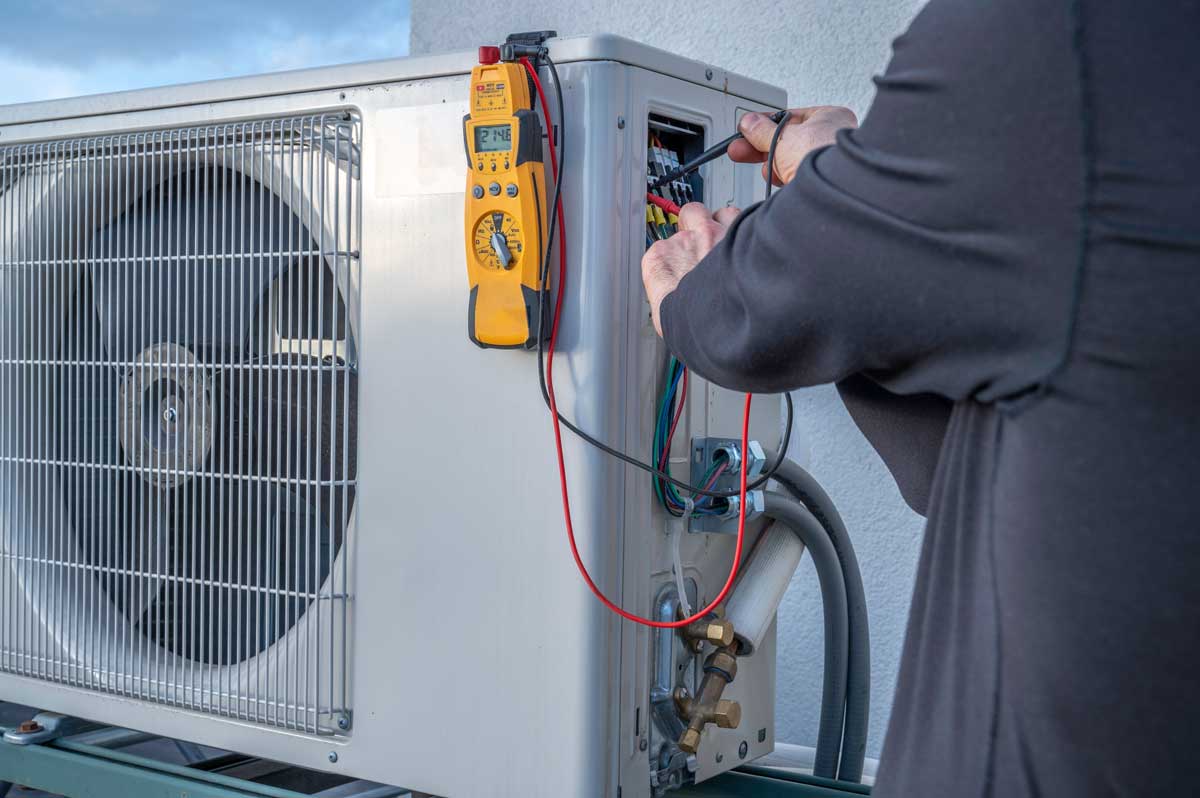
Once the power is off, verify with a voltage tester to guarantee the system is completely de-energized before proceeding.
Next, wear the appropriate personal protective equipment (PPE). For example, wear safety goggles, gloves, and a face mask to guard against potential hazards like flying debris or harmful fumes.
Prioritize ventilation in the workspace by opening windows or doors to disperse gas leaks or smoke. If you suspect a gas leak, evacuate immediately and contact the gas company or emergency services.
Keep a fire extinguisher nearby as a precautionary measure, especially if you’re dealing with issues related to fuel-burning heaters. Familiarize yourself with how to use it, and ensure it’s appropriate for electrical and oil fires.
Maintain clear communication with anyone assisting you and guarantee that everyone understands the safety protocols. Following these precautions will protect you and your home during emergency heating repairs.
Gathering Necessary Information
Before contacting emergency heating repair services, gather essential information about your heating system, including its make, model, and any recent issues you’ve noticed. Knowing this will streamline communication and help technicians understand your situation better.
Locate the user manual or any documentation that came with the system. This often contains vital details, like troubleshooting tips and warranty information, which can be useful during repair.
Next, identify any error codes displayed on your thermostat or control panel. These codes can provide technicians with insights into the potential problem areas. Make a note of any unusual sounds, smells, or performance issues, such as uneven heating or system shutdowns, as these observations can guide the repair process by pointing to specific system components that might be failing.
It’s also wise to check your system’s maintenance history. Note when it was last serviced and if there were any parts replaced or recurring problems. This history can reveal patterns that might indicate underlying issues.
Selecting a Repair Service
Choosing the right repair service requires evaluating each provider’s expertise, response time, and customer reviews to guarantee the efficient restoration of your heating system.
Start by examining the qualifications and certifications of potential repair services. Technicians should have proven experience with your specific heating system model, ensuring they can diagnose and fix issues accurately.
Next, consider the response time. In an emergency, every minute counts. Look for services that offer 24/7 availability. Prompt response minimizes downtime and prevents further damage to your system. Confirm their typical response times by checking their website or calling customer service.
Customer reviews are invaluable for gauging service reliability and quality. Read online reviews to understand past customers’ experiences. Look for patterns in feedback; consistent praise or criticism will give you a clear picture of what to expect.
Don’t hesitate to ask the company for references.
Understanding Repair Costs
After selecting a competent repair service, it’s important to understand the potential costs of emergency heating repairs to avoid unexpected expenses. Start by asking for an upfront estimate. A reputable service should provide a detailed breakdown of labor, parts, and any additional fees. Be sure to inquire about emergency service charges, as these can considerably increase costs, especially during off-hours or weekends.
Understand that repair costs can vary depending on the complexity of the issue. Replacing a thermostat or a simple fuse is less costly than fixing a faulty heat exchanger. Ask your technician to explain the scope of work required to resolve the problem and whether any parts need replacement.
Don’t hesitate to question any charges that seem unclear. Requesting clarification helps avoid misunderstandings and guarantees you’re only paying for necessary services. Additionally, ask if the company offers any warranties on their repairs. A warranty can provide peace of mind and save you money if further issues arise shortly after the repair.
Preparing for Technician Arrival
To guarantee a smooth and efficient repair process, ensure you have clear access to your heating system and gather any relevant documentation or previous maintenance records for the technician’s review.
This preparation will enable the technician to quickly assess the situation and identify potential issues based on your system’s history. Remove any obstacles around the heating unit to guarantee the technician can easily reach and work on it.
Ascertain the area is well-lit and clean, allowing the technician to focus on diagnosing and repairing your system without unnecessary distractions. If possible, ensure the thermostat is accessible and functional, as this may be needed for diagnostic purposes.
It’s also prudent to have a basic understanding of your heating system’s model and make. Knowing this information can expedite the process, as the technician may require specific tools or parts. If your system has a manual, have it on hand for reference.
Communicating Effectively With Technicians
Discuss any specific issues you’ve noticed with your heating system to consistently guarantee clear and concise communication with your technician.
Describe any unusual noises, fluctuations in temperature, or error messages. The more precise your information, the more effectively the technician can diagnose the problem.
Be ready to answer questions about your heating system’s age, past repairs, and maintenance history, as these details can provide valuable context.
Ensure that you’re actively listening to the technician’s explanations and instructions.
If they use technical jargon you’re unfamiliar with, don’t hesitate to ask for clarification. Understanding the problem and proposed solutions helps you make informed decisions quickly.
Always confirm repair plans and associated costs before they begin work to avoid misunderstandings.
Evaluating Repair Outcomes
Once the repairs are complete, assess the effectiveness of the service by checking if your heating system operates smoothly without any recurring issues. Start by observing the system’s performance in different settings—does it maintain consistent temperature levels and respond appropriately to thermostat adjustments? Listen for any unusual noises that might indicate underlying problems. If you notice anything amiss, document these issues, including the time and conditions they occur.
Verify that all components, such as filters, ducts, and vents, function correctly. Inspect for any visible signs of wear or damage that should be addressed during the repair. If further work is needed, you can use this information to consult with the technician.
Check energy bills to see if they reflect expected usage. A spike in costs might suggest inefficiencies in the system post-repair. Confirm that safety features, like carbon monoxide detectors, are operational and provide accurate readings.
Engage with the repair service’s follow-up process; many reputable companies offer warranties or satisfaction guarantees. If the service falls short, contact them promptly to address the issue. This proactive approach guarantees your system’s reliability and enhances your understanding of its operational health.
Preventive Measures for the Future
Investing in regular maintenance checks can help you ward off future heating system failures and guarantee peak performance throughout the colder months. A thorough inspection involves checking components like filters, belts, motors, and electrical connections. By identifying wear and tear early, you can replace damaged parts before they lead to costly breakdowns. Scheduling these checks bi-annually guarantees your system runs efficiently and reduces the likelihood of emergency repairs.
You should also familiarize yourself with your heating system’s manual for guidance on proper care and routine tasks you can handle yourself, such as filter replacement. Keeping the area around your heating unit clean and obstruction-free allows for ideal airflow, reducing strain on the system.
Consider upgrading your thermostat to a programmable model that maintains consistent temperatures, preventing your system from overworking. A smart thermostat can also alert you to potential issues, allowing you to address them proactively.
Conclusion
When handling emergency heating repairs, remember that ‘An ounce of prevention is worth a pound of cure.’
Recognize system failures early, troubleshoot wisely, and prioritize safety. Gather all necessary information and select a reputable repair service.
Guarantee clear access for the technician and communicate issues effectively.
After the repair, the outcome will be evaluated, and preventive measures will be implemented to avoid future problems.
You’ll tackle heating emergencies with confidence and expertise by staying proactive and informed.