
When selecting the right residential heating system for your home, there’s much to contemplate. You’ve got various options, from furnaces to heat pumps to boilers, each with advantages and potential drawbacks. It’s not just about the initial cost; you must consider energy efficiency ratings, ongoing maintenance, and the environmental impact. Did you know the local climate and your home’s insulation quality can significantly influence your choice? Let’s explore this further.
Understanding Home Heating Systems
To fully grasp the intricacies of home heating systems, it’s crucial to explore various models’ mechanics, types, and energy sources. You must first understand that several heating systems exist, each with unique characteristics. These include furnaces, heat pumps, and boilers, among others.
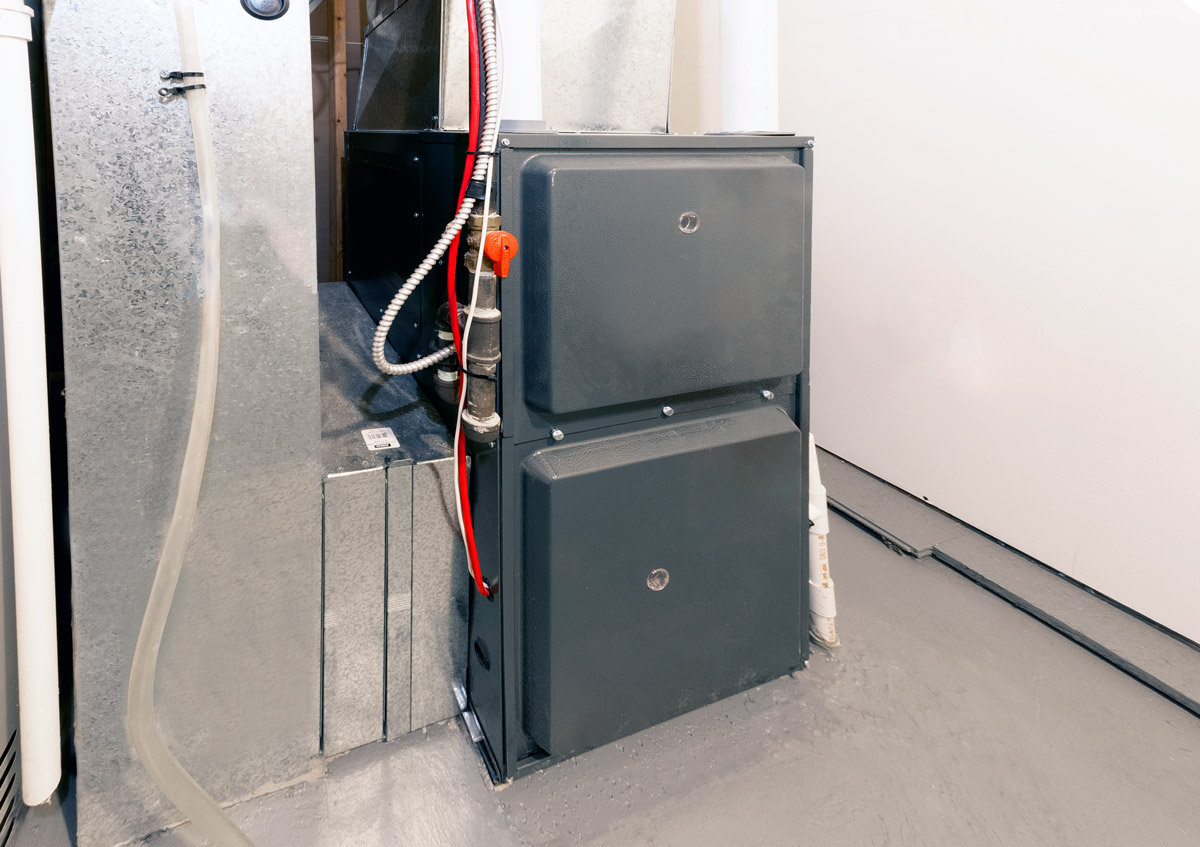
The most common type, furnaces, generates heat by burning fuel and distributing it through ductwork. On the other hand, heat pumps extract heat from the environment and transfer it into your home, operating in reverse during summer to cool your space. Boilers heat water, creating steam or hot water that heats your home through radiators.
These systems can utilize various energy sources, such as natural gas, oil, electricity, or renewable energy like solar or geothermal heat. For instance, furnaces and boilers often use natural gas or oil, while heat pumps typically run on electricity. However, you’ll find models that can use multiple energy sources for flexibility.
As someone with a heart for service, it’s crucial to comprehend these aspects to help others make informed decisions. Remember, the key to efficient home heating lies in the system itself and in understanding its mechanics, types, and energy sources.
Evaluating Your Home’s Heating Needs
Once you’ve grasped the basics of different heating systems, it’s time to evaluate your home’s specific heating needs. Assessing your home’s heating needs is crucial to guarantee you’re making the most suitable choice for your home.
Begin by reflecting on the size of your home. Larger homes require more powerful systems to guarantee adequate heating. You also need to take into account the insulation of your home. A well-insulated home retains heat better, reducing the demand on the heating system.
Next, contemplate these three important factors:
- Climate: If you live in a colder region, you’ll need a more powerful system than those in moderate climates.
- Fuel Type: Determine what fuel types are available and cost-effective in your area. You’ll typically have options like gas, oil, or electricity.
- Energy Efficiency: More efficient systems may have higher upfront costs, but they can save you money in the long run by reducing your energy bills.
Types of Residential Heating Systems
Diving into the various types of residential heating systems, you’ll find a broad range of options, each with unique features, advantages, and drawbacks. Let’s break them down for you.
First, boilers. These systems heat water and distribute the steam or hot water to rooms through a series of pipes. They’re known for providing clean, dust-free heat.
Next, heat pumps. These units extract heat from the air or ground outside your home and concentrate it indoors. They’re highly energy-efficient and can provide both heating and cooling.
Then, we have radiant heating systems. Installed on the floor or panels in the wall or ceiling, they heat objects and people directly, providing a unique comfort level.
Consider ductless mini-split systems. These combine an outdoor compressor and condenser with one or more indoor air handling units. They’re ideal for heating specific rooms or zones within your home.
Finally, there are hybrid systems. These combine the features of a furnace and a heat pump to provide energy-efficient heat. They use the furnace’s heat when it’s cold outside and the heat pump when it’s not.
Understanding these options is key to choosing the right system for your home.
Pros and Cons of Furnaces
Delving into the world of furnaces, it’s vital to reflect on their benefits and drawbacks before deciding if it’s the right choice for your home’s heating needs. Furnaces, mainly fueled by natural gas, oil, or electricity, are known for their robust heating capacity.
One of the significant advantages of furnaces is their rapid heat production. You’ll appreciate a system that can quickly warm your space when it’s freezing outside. Plus, furnaces are typically less expensive to install compared to other heating systems.
However, furnaces also have their downsides. They can be:
- Noisy: The blower fan, used to distribute the heat, can create significant noise.
- Less energy-efficient: Unlike alternatives, furnaces may consume more energy, impacting your utility bills.
- Maintenance-intensive: Regular servicing is required to keep them in ideal condition.
Lastly, the dependency on fossil fuels for gas and oil furnaces raises environmental concerns. It also leaves you vulnerable to price fluctuations in the energy market. As a result, while furnaces can be a solid choice for your heating needs, evaluating these factors before making a final decision is essential.
Heat Pumps: Advantages and Drawbacks
Shifting our focus to heat pumps, you’ll find they also have a distinct set of advantages and drawbacks worth considering for your residential heating needs. One significant benefit is their energy efficiency. Unlike traditional heating systems that generate heat, heat pumps simply move existing heat from one place to another, using less energy. Additionally, they offer heating and cooling capabilities, making them an excellent two-in-one solution for year-round comfort.
However, heat pumps are not without their drawbacks. Their efficiency can drop in extremely cold temperatures, as there’s less heat in the outdoor air to pull into your home. This can lead to a reliance on more costly backup heating methods. Initial installation costs can also be higher than those of other heating systems due to their complex installation nature.
Understanding these pros and cons is essential when considering a heat pump for your home. A heat pump could be an excellent choice if you live in a moderate climate and are willing to invest upfront for long-term savings. However, in colder climates, you may want to explore other options.
Boilers: A Comprehensive Review
While heat pumps are a good fit for moderate climates, if you live in an area with colder winters, consider a boiler, a heating system that offers unique benefits and drawbacks. Boilers are popular, particularly in colder regions, because they provide consistent, reliable heat throughout your home.
Let’s explore the main advantages and disadvantages of boiler heating systems:
- Efficiency: Boilers are generally more energy-efficient than other heating systems. They utilize water, which retains heat better than air, resulting in less energy loss.
- Air Quality: Since boilers don’t blow air, they don’t distribute dust or allergens throughout your home. This could significantly improve your indoor air quality.
- Maintenance: Boilers typically require less frequent maintenance compared to other systems. However, when a repair is needed, it can be more complex and costly.
Comparing Costs of Heating Systems
To decide which heating system is best for your home, it’s crucial to compare the costs of different systems, considering both the initial investment and the ongoing expenses. You’re not just buying a product but investing in your comfort, safety, and future financial stability.
To start, you’ll need to examine the cost of equipment and installation. While the price tag for a furnace may be lower than that for a heat pump, remember to factor in the installation costs, which can sometimes exceed the equipment costs.
Next, think about the fuel costs. A high-efficiency natural gas furnace might seem appealing, but the running costs could outstrip the initial savings if you’re in an area where natural gas prices are high. On the other hand, a heat pump might be more expensive to install, but it’s typically cheaper to run, especially if you’re in a region with mild winters.
Lastly, evaluate maintenance costs. Some systems require more regular check-ups and parts replacements, which add to the overall cost.
Environmental Impacts of Heating Systems
Often, you must also consider the environmental impacts of your heating system choice, as specific systems may contribute more to greenhouse gas emissions and have a larger carbon footprint than others. This is a crucial component of your heating system selection process if you’re dedicated to reducing your environmental impact while maintaining a comfortable home.
Your choice of heating system can have a significant impact on the environment in three key ways:
- Energy Efficiency: Some systems, such as heat pumps, are generally more energy-efficient than traditional furnaces, requiring less energy to heat your home. This reduces the amount of fossil fuels burned for power, decreasing greenhouse gas emissions.
- Fuel Type: The type of fuel your system uses can also contribute to its environmental impact. For instance, electric systems, particularly those powered by renewable energy, tend to have a lower carbon footprint than oil or gas-powered systems.
- System Lifespan: Finally, a durable, long-lasting system means fewer replacements and less waste over time.
Navigating Heating System Installation
When installing your new heating system, it’s crucial to understand that the process involves several technical steps, from selecting the right system for your property’s size and needs to the actual installation and its potential impact on your home’s infrastructure.
First, you must reflect on the heating system best suits your home. Factors such as your home’s square footage, your climate, and your energy consumption habits play a significant role in this decision. Consulting with a heating professional can help you make an informed choice.
Once you’ve chosen a system, it’s time for installation. A licensed professional should always perform this process to ascertain it’s done correctly and safely. Depending on your chosen system, the installation might involve electrical wiring, ductwork, or gas line work. It’s also essential to consider any structural changes your home might need to accommodate the new system.
Keep in mind that some systems require more complex installations than others. For instance, installing a central heating system is more intricate than setting up a single-room heater. Understanding these complexities will help you better manage the installation process and avoid unnecessary complications.
Maintaining Your New Heating System
Once your new heating system is up and running, regular maintenance is important to guarantee it remains efficient and reliable. Even the most advanced systems can degrade without proper care, leading to increased energy costs and potential system failure.
As part of your ongoing maintenance, there are three key steps you should follow:
- Regularly change or clean your filters: Dirty filters can restrict airflow, causing your system to work harder and use more energy. It’s recommended that you replace or clean your filters every 1-3 months, depending on usage.
- Schedule professional inspections: Have a qualified technician perform a thorough inspection at least once a year. They can identify and fix potential issues before they become costly problems.
- Keep your system clean: Regularly clean your vents and ductwork to remove any dust or debris that can impede performance.
Conclusion
Now, you’re equipped with the knowledge to make an informed choice on your home’s heating system. Picture your cozy home warmed perfectly by a system you’ve wisely chosen. You’ve assessed your home’s needs, compared heating options, and considered environmental impacts. The installation process is navigated smoothly, and you have a maintenance plan. Remember, your choice affects not just your comfort but also your wallet and our planet. So, choose wisely and heat your home efficiently.